

Subutex Treatment for Opioid Addiction Recovery in California
Harmony Place operates rehab centers offering Medication-Assisted Treatment (MAT) for opioid addiction in California. Our medication-assisted treatment focuses on personalized care, ensuring a safe and supportive environment for beginning your recovery. We deliver a range of research-backed therapies for opioid use disorder treatment at rehab centers for drug and alcohol addiction, helping you achieve long-term sobriety.
If you’re looking for Subutex clinics for addiction recovery in California, call us. While rehabilitation centers no longer prescribe Subutex, there are effective alternatives, and we can guide you in finding the right one for you. We gladly accept a wide range of major insurance plans for our confidential Subutex services, including dual diagnosis MAT, if you’re dealing with addiction and co-occurring mental health issues at the same time. This page will inform you about the effectiveness of California Subutex rehab programs, how to obtain a same-day Subutex prescription, and the typical cost of Subutex treatment.
What Is the Medication Subutex?
Subutex is an opioid addiction medication that was prescribed in Medication-Assisted Treatment (MAT). Subutex consists of buprenorphine, a partial opioid agonist, and is used to manage opioid addiction. It helps by lessening cravings and easing withdrawal symptoms without giving you the intense high that more potent opioids do.
Typically, this opioid recovery medication is given during the initial stages of recovery to assist you in moving away from opioid dependence safely. Unlike methadone maintenance, which necessitates daily visits to specialized MAT clinics, Subutex can often be prescribed by certified healthcare providers in office-based settings. This makes it a more accessible option if you’re seeking treatment. Over time, you may transition from Subutex therapy to combination medications, such as Suboxone treatment, to further decrease the risk of misuse while supporting your long-term recovery.
When and Why Was Subutex Discontinued in the United States?
Subutex, the brand name for buprenorphine, was discontinued in the United States in 2011. However, certain buprenorphine-only formulations are still prescribed in specific cases. For example, when a patient cannot tolerate the naloxone included in Suboxone, buprenorphine may be a viable alternative. This ensures patients continue to have safe, effective options for recovery, even if Subutex is no longer on the market.
The change was part of a broader effort to limit misuse and diversion of opioid medications while maintaining access to effective treatment. Although Subutex itself is no longer widely available, Medication-Assisted Treatment (MAT) remains accessible through licensed providers like Harmony Place.
Subutex and How It Works
Subutex is an opioid dependence medication that was once prescribed to help individuals overcome opioid addiction by easing cravings and withdrawal symptoms. It contains buprenorphine, which is a partial opioid agonist, activating your brain’s opioid receptors at a lower intensity than full opioids. This managed addiction more safely, with a reduced risk of misuse compared to more potent opioids.
This opioid replacement therapy works by connecting to the same receptors as opioids like heroin or oxycodone, but without causing the same intense high. By partially activating these receptors, Subutex reduced withdrawal discomfort and cravings, providing stability to support medication-assisted recovery.
It was often used as part of a comprehensive treatment plan that included MAT counseling, relapse prevention, and an assortment of behavioral health strategies. Due to its potential for misuse through snorting or injection, it was discontinued in the United States. If you want more information about medication-assisted treatment in California and Subutex alternatives, contact us at Harmony Place.
What Is Medication-Assisted Treatment and Why Is It Used?
Medication-Assisted Treatment (MAT) is a proven strategy that integrates FDA-approved medicines with therapy and behavioral support to tackle substance use disorders. MAT in addiction treatment focuses on managing both the physical and emotional elements of dependence. Medication-assisted support aids you in reducing cravings, preventing relapse, and fostering long-term recovery.
It is most common to utilize MAT for alcohol use disorder and opioid use disorder treatment. Merging MAT and counseling services enhances treatment results and allows you to concentrate on rebuilding your life. When undergoing addiction treatment in California, substance use disorder medications can be incredibly beneficial.
At Harmony Place, we provide medication-assisted therapy within our substance abuse treatment programs in California. Our skilled team begins with a free assessment, followed by recommended treatments. This valuable service will help you achieve sobriety.
Key Differences Between Suboxone and Subutex for Opioid Addiction Treatment
The primary distinction between Suboxone and Subutex lies in composition and potential for misuse. Subutex includes only buprenorphine, whereas Suboxone combines buprenorphine with naloxone, an opioid blocker that deters misuse by triggering withdrawal symptoms if injected. Both are utilized in opioid use disorder treatment, but Subutex is no longer prescribed in the U.S.
You might receive generic buprenorphine-only treatment during the initial phases of treatment or if you’re unable to tolerate naloxone. Suboxone is more frequently prescribed for extended maintenance within long-term rehab programs in California because its naloxone component reduces the likelihood of misuse. Both medications assist in alleviating cravings and withdrawal.
Is Subutex Addictive on Its Own?
Subutex contains buprenorphine and has the potential to be habit-forming. Although this partial opioid agonist is less likely to create the intense euphoria linked to more potent opioids, misuse or extended use without medical guidance can result in dependence, withdrawal symptoms, and the risk of addiction. For this reason, Subutex is no longer prescribed in the United States, as of 2011.
When used as instructed by a healthcare professional, the likelihood of addiction is significantly reduced. However, since it still affects your brain’s opioid receptors, Subutex has the potential for misuse, especially if taken in larger doses or without medical supervision. If you have concerns and additional questions about Subutex treatment in California, please contact us at Harmony Place.
Statistics on Medication-Assisted Treatment Programs in California
In 2022, approximately 3.7% of American adults needed opioid use disorder treatment, but only 25.1% received treatment. Even though medication-assisted treatment has proven effective, many who need help remain without care. This treatment gap underscores the urgent need for broader access to MAT programs throughout California.
Opioid addiction causes significant economic strain, costing nearly $700,000 per case annually in the U.S. when considering healthcare expenses, lost productivity, and treatment costs. In 2023, California suffered a severe impact with nearly 8,000 deaths due to opioid-related overdoses, making opioids the primary cause of drug overdose deaths in the state. Efforts like CA Bridge have played a vital role in improving around-the-clock access to evidence-based care, especially in emergency department settings. However, research by the Urban Institute highlights significant disparities in the availability of medication-assisted treatment across California’s counties. This stresses the urgent need for more prescribers and resources to guarantee fair treatment for all residents dealing with Opioid Use Disorder (OUD).
We Will Check Your Insurance
What Are the 3 Phases of a Medication-Assisted Treatment Program?
Medication-Assisted Treatment (MAT) commences with initiation, transitions to stabilization, and culminates in maintenance. Each phase underscores both medical and behavioral elements, ensuring the treatment addresses physical dependency and the underlying causes of your addiction. These phases are outlined in more detail below and promote the development of healthier coping skills.
Induction Phase
The initial phase, known as the induction stage, typically begins when mild to moderate withdrawal symptoms appear. At this point, licensed professionals administer medications for addiction treatment to alleviate withdrawal discomfort and curb cravings. The aim is to start treatment safely, minimize pain, and prevent relapse.
Stabilization Phase
During the stabilization stage, you are now familiar with the medication and no longer experience severe withdrawal or cravings. Medication-assisted intervention dosages may be adjusted to improve outcomes. At this juncture, you often begin to concentrate more on MAT counseling, therapy, and lifestyle adjustments, as your physical symptoms are managed.
Maintenance Phase
The maintenance stage of pharmacotherapy for addiction focuses on ongoing recovery. You will continue taking a stable and effective dosage of medication while participating in MAT therapy and support services. This phase highlights the importance of creating lasting habits, managing triggers, and avoiding relapse. This period may last for months or even years, depending on your needs.
Rehab Centers in California That Provide Medication-Assisted Treatment
Medication-Assisted Treatment (MAT) in California is essential for helping you overcome opioid dependence by reducing cravings and withdrawal symptoms. Our inpatient rehab facilities in California provide a comprehensive array of options, including medical detoxification and dual diagnosis MAT for co-occurring mental health disorders.
Our residential addiction recovery in California integrates medication-assisted treatment with therapeutic services to ensure your recovery is approached holistically, addressing physical, emotional, and mental health needs. If you’re struggling with opioid addiction, we offer an array of confidential MAT services to promote lasting recovery.
At Harmony Place, we frequently hear questions like, “Where can I find drug and alcohol rehab near me in California that offers medication-assisted treatment with Subutex?” And while Subutex has been discontinued in the United States, you can take the first step and call (855) 652-9048 to learn more about our medication-assisted treatment at Harmony Place.
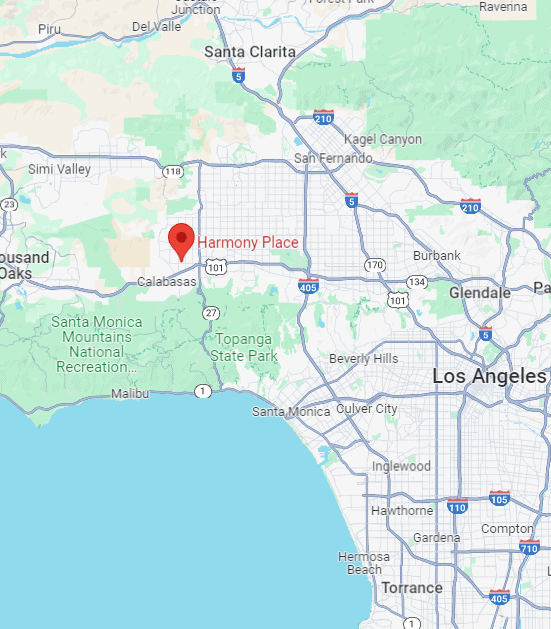
Harmony Place
23041 Hatteras St.
Woodland Hills, CA 91367
Harmony Place East
22913 Burbank Blvd.
Woodland Hills, CA 91367
Which Addiction Treatment Programs Include Subutex?
Subutex is no longer utilized in inpatient programs and outpatient rehab services in California to assist in managing opioid withdrawal symptoms and diminishing cravings. Addiction treatment programs may include generic forms of buprenorphine for those who are intolerant to naloxone. Based on the intensity of your addiction, medication-assisted treatment can be offered in various levels of care, including the following:
Online Addiction Programs
Numerous online addiction programs offer online outpatient care that might incorporate generic buprenorphine therapy into your recovery plan. These services provide medical consultations, prescription management, and online therapy sessions, making it easier for you to continue your treatment while balancing work and family responsibilities.
Because these virtual programs are outpatient, you can remain at home and uphold your everyday duties. Prescriptions can be handled remotely under medical supervision, ensuring safe use while you receive continuous counseling and support via virtual platforms.
Intensive Outpatient Programs
Our Intensive Outpatient Programs (IOPs) may include medication-assisted treatment in California if you need a more organized approach but don’t need to be in an inpatient environment. These programs offer regular therapy sessions and medical oversight, usually multiple times a week, to tackle both the physical and mental challenges of addiction.
Although IOPs are technically outpatient, they require commitment and adherence to a rigorous schedule. In these programs, medication-assisted treatment is delivered under supervision, ensuring you receive a safe dose while you develop coping skills and advance in your recovery.
Partial Hospitalization Programs
In our Partial Hospitalization Programs (PHPs), you might find generic forms of buprenorphine included when facing more severe opioid addiction. These programs are more rigorous than typical outpatient or IOPs, as they require you to spend several hours daily at a treatment center, yet allow you to return home at night.
When using medication-assisted treatment within a PHP environment, medical professionals closely oversee your treatment to stabilize withdrawal symptoms and lessen cravings. This method offers you hospital-level care during the day without the need for complete residential treatment, effectively bridging the gap between inpatient and outpatient services.
Counseling and Therapy Sessions
Counseling and therapy sessions can include medication-assisted therapy as part of your treatment plan. The emphasis here is on continuous support through regular meetings, personal therapy, relapse prevention, and group discussions, with medication-assisted treatment seamlessly woven into your overall care strategy.
Since these sessions often occur through outpatient rehab services in California, you can continue with your work, school, or family obligations while receiving medication-assisted treatment for addiction under medical guidance. This blend of therapy and medication assists in tackling both the physical dependency and the behavioral habits associated with addiction.
What Addictions Are Commonly Treated with Subutex?
Subutex was most often used in the treatment of Opioid Use Disorders (OUDs). This includes addictions to heroin, prescription painkillers such as oxycodone or hydrocodone, and potent synthetic opioids like fentanyl. By binding to the same receptors in the brain as these substances, buprenorphine reduced cravings and withdrawal symptoms without producing the same intense high, making recovery more manageable.
While heroin, prescription opioids, and fentanyl are among the most common substances that were addressed with Subutex, they’re not the only ones. Subutex was specifically focused on opioid-related disorders, and it isn’t a treatment for alcohol, stimulant, or other non-opioid addictions. Instead, it served as one of the most effective tools available for helping people break free from opioid dependence and begin long-term recovery. However, not without its risks, which led to its discontinuation.
Do Insurance Providers in California Cover Subutex?
Many insurance companies cover Suboxone treatment in California, but finding coverage for Subutex can be challenging since it’s discontinued in the United States. The extent of coverage for medication-assisted treatment will depend on factors such as your specific plan, provider network, and medical-necessity criteria. You also might need prior authorization.
Most major insurers in California typically offer some coverage for medication-assisted treatment when prescribed for opioid use disorder. However, you may encounter limitations. It’s crucial to review your plan details thoroughly. If you need help verifying your coverage benefits, contact us at Harmony Place.
How to Begin a Medication-Assisted Treatment Program
Starting a Medication-Assisted Treatment (MAT) program usually begins with a medical assessment by a qualified healthcare provider. This involves confirming your diagnosis of opioid use disorder, reviewing your medical history, and creating a personalized treatment plan that incorporates MAT with counseling services for long-term recovery.
You likely won’t be prescribed Subutex but another medication like Suboxone or a generic form of buprenorphine during the initial phases of withdrawal. Under strict medical supervision, professionals will ease your discomfort and lower the risk of relapse. Dosages are meticulously adjusted to stabilize your cravings and withdrawal symptoms, ensuring the safest and most effective strategy. Over time, continuous monitoring, therapy sessions, and support networks help you maintain progress and tackle any obstacles.
MAT programs are most effective when paired with structured recovery efforts. Regular check-ins, peer support, and lifestyle changes fortify your recovery, while medical supervision guarantees a safe and sustainable treatment. This all-encompassing approach enhances your chances of achieving lasting sobriety and better overall well-being. If you want more information about what to expect when beginning a MAT program for opioid addiction, contact us at Harmony Place.
What MAT Typically Costs in California
The cost of Medication-Assisted Treatment (MAT) in California can vary depending on the type of medication prescribed, the provider, and insurance coverage. On average, out-of-pocket expenses may range from $100 to $500 per month for medication alone, with additional costs for counseling or follow-up visits. Generic meds tend to be more affordable, while brand-name prescriptions may be more expensive.
Insurance often significantly lowers costs. Many clinics and telehealth providers also offer sliding-scale fees or payment plans to make treatment more accessible. Because MAT is considered an evidence-based standard of care for opioid use disorder, most insurance plans in California are required to cover it, reducing the financial burden for individuals seeking recovery.
Ways to Check Insurance Coverage for Medication-Assisted Treatment at Harmony Place
If you need to verify your insurance coverage for Medication-Assisted Treatment (MAT) at Harmony Place in California, the best approach is to contact us at(855) 652-9048. Insurance plans vary significantly, and we work with many providers to make MAT more accessible.
To find out what your insurance covers for opioid addiction treatment in California, our team at Harmony Place can help. We will confirm your benefits, explain what is covered, and guide you through your options for confidential medication-assisted treatment services. Taking this simple action can give you clarity and assurance as you begin your addiction recovery on the right note.
MAT (Medication-Assisted Treatment) Program Options in California
Harmony Place offers evidence-based MAT programs across Los Angeles and Southern California to treat opioid addiction. Using medications such as Methadone, Suboxone, Subutex, Naltrexone, Buprenorphine, and Zubsolv, our experts create individualized treatment plans that promote long-term recovery and relapse prevention.
- Inpatient Rehab Los Angeles
- Intensive Outpatient Program Los Angeles
- Evening Intensive Outpatient Program
- Medication Assisted Treatment Los Angeles
- Outpatient Rehab Program Los Angeles
- Los Angeles Partial Hospitalization Program
- Medically Assisted Detox LA
- Sober Living Homes and Halfway Houses
- Clinical Care Los Angeles
- Family Therapy Rehab Program
- Couples Rehab Los Angeles
- Men’s Addiction Rehab California
- Women’s Rehab Center SoCal
- Addiction Treatment for Veterans
- Short-Term Addiction Rehab
- Long-Term Addiction Rehab
- Private Luxury Rehab Los Angeles
- Faith-Based Rehab Programs
- Non-Faith-Based Rehab
- Rehab for Professionals LA
- Rehab Aftercare Alumni Programs
Statistics on Subutex, MAT, and Opioid Use Disorder
- In 2022, 3.7% of American adults aged 18 and up required opioid use disorder treatment. Yet just 25.1% obtained medications for OUD.
- In the early 2000s, the FDA approved two new buprenorphine-based medications for treating opioid use disorder: Subutex® and Suboxone®. Both were introduced as sublingual tablets in higher doses of 2 mg and 8 mg. The key difference was in their formulation—Subutex® contained only buprenorphine, while Suboxone® combined buprenorphine with naloxone in a 4:1 ratio to help deter misuse.
- Opioid use disorder incurs almost $700,000 per case each year in the U.S., including the costs of treatment, reduced productivity, and heightened healthcare expenses. Although effective treatments are accessible, just 25% of adults requiring opioid addiction medication received it by 2022.
- In 2023, almost 8,000 people in California lost their lives due to opioid-related overdoses, establishing opioids as the primary cause of drug overdose fatalities in the state. This shows the need for opioid use disorder treatment.
- The CA Bridge initiative has played a crucial role in providing round-the-clock, evidence-based care, such as medication-assisted treatment, in emergency rooms throughout California.
- A study by the Urban Institute underscored significant disparities in access to opioid use disorder treatment throughout California counties, stressing the necessity for additional prescribers to satisfy demand.
- Because of growing concerns about misuse, Subutex® was taken off the U.S. market in 2011. The manufacturer reported that the single-ingredient version of buprenorphine was more likely to be diverted or abused compared to the combination of buprenorphine and naloxone (sold as Suboxone®). Later research has shown mixed findings on whether Subutex really carries more risk. Some of this uncertainty comes from when Suboxone was introduced and how availability varied in different parts of the country, which makes it harder to draw clear conclusions.