Inhalant Addiction Treatment Centers in California
Harmony Place runs substance abuse rehab facilities that offer inhalant addiction treatment in Los Angeles, CA. Overcoming an inhalant addiction is difficult. Our recovery and detox programs are designed to support you throughout the entire process, from addressing withdrawal symptoms to providing comprehensive, continuous care services once your treatment is complete.
If you’re looking for the best treatment for inhalant addiction near you, call us. This page will help you locate an inhalant addiction detox center and a rehabilitation facility that best meet your needs, understand how to spot inhalant withdrawal signs, and comprehend the costs of attending inhalant rehab centers in Los Angeles, CA.
What Is an Inhalant?
An inhalant is a material that emits chemical fumes which, when inhaled, can cause mind-altering experiences. You’ll often find these substances in everyday items like glue, paint thinners, cleaning agents, and aerosol sprays. Inhalant misuse is mainly to achieve a high, but it can be incredibly hazardous and even deadly.
When you inhale an inhalant, it quickly enters your bloodstream through your lungs and reaches your brain, often leading to dizziness, euphoria, or hallucinations. Regular use can result in severe health issues, including brain damage, organ failure, or sudden death. Because many inhalants are legal and easily accessible as household products, inhalants present a significant danger, especially for teens and young adults exploring substance use.
What Are Common Inhalants?
You might encounter common inhalants in everyday items that release vapors, which, when inhaled, create mind-altering effects. Since these are often household or industrial products, you’ll find them easily accessible. Inhalants are usually grouped into four main categories: volatile solvents, aerosols, gases, and nitrites, each with its own sources and impacts.
Volatile solvents are found in products such as paint thinners, glue, nail polish remover, and gasoline. Aerosols include spray products such as deodorants, hair sprays, and cooking sprays. Gases encompass medical anesthetics such as nitrous oxide and household gases such as butane and propane. Nitrites, commonly known as poppers, are chemicals such as amyl nitrite and isobutyl nitrite, often used to heighten sexual experiences. Each category poses significant health risks, including potential brain damage, organ failure, or sudden death.
What Are Common Signs of Inhalant Addiction?
Inhalant addiction is a grave issue that arises when you consistently misuse inhalants despite the adverse effects on your health, relationships, or daily routine. Recognizing the early signs and symptoms can help you avoid long-term physical and mental harm and lead you toward seeking treatment at addiction recovery programs.
Common signs of inhalant addiction you might notice include:
- Chemical smells on your breath, clothes, or body
- Red or runny eyes and nose
- Paint marks or stains on your hands, face, or clothes
- Feeling dizzy, having headaches, or experiencing nausea
- Slurred speech or lack of coordination
- Unexpected weight loss or feeling constantly tired
- Mood swings, irritability, or anxiety
- Distancing yourself from friends or family
- Ignoring school, work, or responsibilities
- Frequently collecting or misusing household items
These signs can show up together or separately, and recurring behaviors might indicate a developing or established inhalant addiction. If you’re encountering inhalant abuse indicators, contact us at Harmony Place. Our addiction treatment facilities will help you every step of the way.
Are Inhalants Common for Abuse?
Inhalants are often abused, especially by teenagers and younger adolescents. Since many inhalants are everyday items—like adhesives, aerosol sprays, cleaning solvents, and paint thinners—these substances are easy for you to acquire and relatively cheap, which can be tempting if you’re experimenting with substances. The availability of inhalants frequently leads to misuse.
While inhalant misuse is more prevalent among the younger population, you should know it can also affect adults. Habitual use can result in severe immediate and long-term health issues, including brain damage, organ failure, and sudden death. Raising public awareness and educational prevention methods about the risks of inhalants is vital to prevent abuse, particularly in schools and communities where inhalants are easily accessible. If you want to learn more about inhalant addiction signs, contact us at Harmony Place.
What Are the Short-Term and Long-Term Effects of Inhalant Use?
When you use inhalants, you might notice short-term effects almost immediately. These can include dizziness or euphoria, as well as slurred speech and poor coordination. Hallucinations are also possible. You could experience nausea, vomiting, headaches, and difficulty breathing as well.
In some instances, inhalant misuse can lead to sudden sniffing death syndrome, where heart failure happens without warning, even on your first try. The long-term effects of using inhalants repeatedly can be severe and often irreversible. Chronic use can harm your brain, liver, kidneys, and other organs. You might face cognitive issues such as memory loss, difficulty learning, and a reduced attention span. Additionally, prolonged use can result in neurological disorders, muscle weakness, and mental health challenges like depression and anxiety. If you are experiencing any of these inhalant abuse indicators or symptoms, contact us at Harmony Place.
How to Recognize the Signs of Inhalant Use Disorder
Identifying inhalant use disorder requires noting both physical and behavioral indicators. Physically, you might notice chemical smells on your breath or clothes, redness or a runny nose and eyes, and paint or marks on your hands or face. You could feel dizzy, unsteady, or unusually fatigued, and might often sniff, inhale, or huff substances.
Behavioral shifts may also signal inhalant misuse. These include sudden changes in mood, irritability, secretive actions, a drop in school or work performance, and distancing from friends or family. Consistently seeking out household items for inhalation or hiding these products is another red flag.
Early detection and addiction intervention are crucial to avoid severe health issues and attain sobriety. Contact us at Harmony Place to learn more about our addiction rehabilitation options in the LA area. Our experienced team will begin by conducting a free assessment to determine the inhalant addiction recovery resources that best suit your circumstances.
Statistics on Inhalant Addiction in California
Inhalant addiction is still a public health issue in California, even though its occurrence among adults is relatively low compared to other substances. According to the 2023 National Survey on Drug Use and Health (NSDUH), 0.6% of Americans aged 26 and older reported using inhalants in the past year.
The California Bureau of Narcotic Enforcement keeps track of inhalant abuse, emphasizing the severe health risks associated with huffing, such as brain and liver damage and the potential for fatal consequences. The California Health Care Foundation’s Substance Use Almanac (2025) indicates that about 17% of Californians met criteria for a substance use disorder (SUD), illustrating the broader issue of substance misuse that can include inhalants. The dangers of inhalant misuse are further highlighted by mortality and emergency statistics. Information from Families United Against Inhalant Abuse shows that between 2007 and 2021, at least 108 deaths in California were connected to inhalant use, mainly due to difluoroethane exposure.
Furthermore, the 2023 Statewide Needs Assessment by the California Department of Health Care Services documented 53,555 emergency department visits for non-fatal drug overdoses and 11,359 drug-related deaths, some of which were linked to inhalant addiction. These numbers underscore the urgent requirement for prevention, early intervention, and treatment services to combat the inhalant dependence rate in California.
Is Residential Rehab Available for Inhalant Addiction in Los Angeles?
Residential rehab for inhalant addiction is available in Los Angeles. This form of care is a structured, live-in treatment program where you can stay at a facility to receive round-the-clock support. Residential treatment programs offer medically supervised detoxification, evidence-based therapies, substance abuse counseling, and life-skills training to help you safely overcome inhalant abuse and develop strategies for long-term recovery.
Residential rehab is especially advantageous if you’re struggling with severe inhalant addiction, co-occurring mental health concerns, or a high risk of relapse. If you’re looking for help in the Los Angeles area, contact us at Harmony Place. Our skilled team provides a comprehensive residential program for inhalant addiction.

Inhalant Use Disorder Treatment Programs Available in Los Angeles
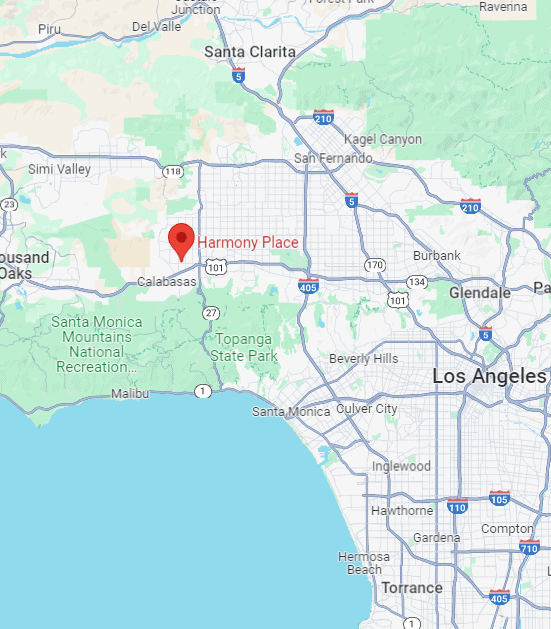
Harmony Place addiction rehab centers provide outstanding treatment options if you’re battling inhalant abuse in Los Angeles, CA. Our expert care for inhalant addiction offers superior residential support. By accepting various insurance plans, we strive to make recovery from inhalant dependency accessible. If you’re combating inhalant misuse, call (855) 652-9048 for empathetic assistance and direction.
Harmony Place
23041 Hatteras St.
Woodland Hills, CA 91367
Harmony Place East
22913 Burbank Blvd.
Woodland Hills, CA 91367
How to Access Rehab for Inhalant Addiction in Los Angeles County
Finding the appropriate treatment center for inhalant addiction in Los Angeles County requires thorough investigation and preparation. Seeking professional assistance is the first step toward recovery, and understanding what to look for ensures you or a loved one receives secure, effective care. Here’s a handy guide to help you through the process:
- Evaluate Your Needs
Start by determining the level of care needed. Decide whether residential care or outpatient treatment services are more suitable. Think about any additional requirements, such as dual diagnosis treatment for co-occurring mental health disorders, holistic addiction therapy options, or evidence-based therapies like Cognitive-Behavioral Therapy (CBT) or addiction support groups.
- Perform an Online Search
Use focused search terms like “Inhalant addiction treatment in Los Angeles” or “inhalant recovery facilities near me.” This can help you find local rehab centers, such as Harmony Place, or other well-regarded rehabilitation establishments in the county. Review each facility’s website for program information, staff qualifications, and treatment philosophies.
- Utilize Trusted Directories
Online directories like SAMHSA’s treatment locator or the National Helpline offer verified listings of licensed rehab centers. These directories enable you to filter by location, program type, and services provided, making it easier to find a center that meets your specific needs.
- Confirm Insurance Coverage
Before reaching out to inhalant treatment facilities in LA, check your insurance coverage. Contact your provider to get a list of in-network rehab centers for inhalant addiction. Understanding your coverage can help reduce personal expenses and simplify the admission process.
- Verify Accreditation and Licensing
Make sure the facility is properly accredited and licensed. Organizations such as CARF (Commission on Accreditation of Rehabilitation Facilities) and The Joint Commission certify facilities that adhere to professional treatment standards. Accreditation ensures the treatment program is safe, effective, and staffed by qualified professionals.
- Investigate Reviews and Testimonials
Read feedback from former patients to gauge inhalant dependence treatment quality and outcomes. Use multiple sources, such as Google, Yelp, or healthcare-specific review sites. Look for recurring themes in feedback rather than focusing on individual addiction recovery success stories.
- Reach Out and Inquire
Contact rehab facilities directly to discuss your needs. Ask about available addiction counseling, program structure, staff credentials, and aftercare services. Inquire about success rates, relapse prevention programs, and any specialized support for inhalant abuse recovery.
- Visit the Facility (If Possible)
If possible, arrange a facility tour to meet staff and see the environment firsthand. A personal visit can help you evaluate comfort, cleanliness, and the overall atmosphere, all of which are crucial to a successful recovery experience.
What Is the Cost of Inhalant Rehab in Los Angeles With or Without Insurance?
The cost of addressing inhalant addiction in Los Angeles without insurance can vary greatly depending on the type of program, level of care, and amenities selected. Often, outpatient treatment is the least expensive option, with prices ranging from approximately $3,000 to over $10,000 per month.
These costs fluctuate based on the number of therapy sessions, the types of substance abuse counseling provided, and the program’s duration. Conversely, inpatient or residential treatment offers more extensive care and is therefore more costly. A 30-day residential program typically ranges from $10,000 to $30,000, with higher fees for luxury or specialized facilities that provide additional services and private rooms.
After insurance coverage is factored in, the expenses for inpatient or residential care often drop considerably. A 30-day residential treatment might range from $3,000 to $12,000.
Outpatient services are also more affordable with insurance. The costs can vary widely, from $500 to several thousand dollars each month, depending on session frequency, program intensity, and your insurance benefits.
It’s important to carefully investigate different programs and choose the level of care that best suits your needs and financial situation, whether you’re proceeding with or without insurance support. We understand that orchestrating this process on your own can be daunting. Contact us at Harmony Place, and our dedicated team will handle everything for you.
Inhalant Treatment Programs Services Available Across Greater Los Angeles
In Greater Los Angeles, you’ll find a range of Substance Use Disorder (SUD) programs equipped to tackle inhalant addiction. These services vary from intensive outpatient care to day treatment and co-occurring disorder programs, offering flexible options tailored to different needs. Many treatment centers provide evidence-based therapy, medical supervision, relapse-prevention planning, and aftercare support.
Whether you’ve recently completed detox or are seeking less restrictive care, treatment centers in the Los Angeles area often offer step-down programs. These programs bridge the gap between inpatient (residential) treatment and standard outpatient services. They’re designed to help you transition safely, maintain accountability, and develop coping skills as you reintegrate into daily life.

Intensive Outpatient Program (IOP)
An Intensive Outpatient Program (IOP) in LA provides structured substance abuse therapy while allowing you to stay at home. IOPs usually consist of several sessions each week—often held in the evenings—so you can continue working, attending school, or handling family duties. These programs combine group therapy, one-on-one counseling, relapse-prevention strategies, and psychoeducation.
If you’re recovering from inhalant addiction, IOP can be particularly beneficial: it offers clinical support and accountability without requiring a full-time residential stay. Since inhalant abuse often occurs alongside other substance use or mental health issues, IOPs help you develop coping skills, tackle triggers, and maintain connections with your support network as you recover.
Partial Hospitalization Program (PHP)
A Partial Hospitalization Program (PHP) provides more comprehensive care than an Intensive Outpatient Program (IOP) without requiring you to stay overnight. In Los Angeles, PHPs are usually arranged to meet five days a week and include a blend of group therapy, personal counseling, medical supervision, and educational workshops.
If you’re combating inhalant dependence, PHP offers the opportunity for intensive daytime treatment while allowing you to return home or to a sober living environment in the evenings. This level of care is perfect if you need substantial medical support, are at risk of relapsing, or are dealing with co-occurring challenges but do not need constant supervision.
Co-Occurring for Inhalant Treatment
Often, when misusing inhalants, you may also deal with combined mental health issues—such as anxiety, depression, or trauma. In Los Angeles, dual diagnosis treatment programs are designed to tackle this overlap by merging mental health therapy with addiction treatment.
These programs often include evidence-based approaches (like CBT and DBT), medication management when necessary, and holistic therapies to address both substance use and psychiatric symptoms together. If you’re abusing inhalants, co-occurring treatment can help you uncover the psychological factors behind misuse, enhance your coping skills, and lower the chance of relapse through a more complete, tailored plan.

Is Inhalant Rehab in Los Angeles Covered by Health Insurance Plans?
Health insurance plans may cover inhalant rehab in Los Angeles, but coverage varies by plan. Many policies, particularly those that comply with the Affordable Care Act (ACA), categorize SUD treatment as an essential benefit. The extent to which services are included depends on factors such as your deductible, coinsurance, and whether the facility is within your network.
Contact us at Harmony Place for complimentary insurance verification, quick admissions, and a free evaluation to determine the appropriate level of care to help you overcome inhalant addiction.
What Insurance Providers Cover Inhalant Rehab Services in Los Angeles County?
Several prominent insurance providers in Los Angeles County offer coverage for rehabilitation related to inhalant addiction. Major insurers that often include behavioral health and substance use disorder coverage are Blue Cross Blue Shield (BCBS), Aetna, and Cigna, among others. If you require assistance in confirming your coverage benefits, contact us at Harmony Place.
Our skilled team offers a free assessment of your insurance benefits, fast-tracked admissions, and a complimentary evaluation to identify the treatment options available to you, along with your possible out-of-pocket expenses and the level of care you need.
What Is the Recovery Process for Inhalant Addiction at Harmony Place?
At Harmony Place, your recovery from inhalant dependence begins with a thorough addiction assessment to pinpoint your specific needs. Nestled in the heart of Southern California on the Golden State’s West Coast, Harmony Place offers a peaceful and structured residential setting where you can detox, heal, and reconstruct your life.
Here’s an overview of the crucial steps in your addiction recovery path at Harmony Place:
- Detox & Stabilization – Experience safe, medically supervised withdrawal to manage physical dependence.
- Therapy & Counseling – Engage in evidence-based methods such as CBT and DBT to examine emotional triggers.
- Holistic Healing – Participate in yoga, mindfulness, art therapy, and wellness practices to fortify your body and mind.
- Life Skill Development – Learn coping skills, relapse prevention strategies, and gain vocational support.
- Aftercare Planning – Explore sober-living options, connect with an alum network, and receive ongoing support to maintain recovery.
Beyond our walls, choosing to recover at Harmony Place invites you to a lifestyle vision inspired by iconic California scenes—from the cacti and palm trees of Palm Springs and Palm Desert to the sun-drenched desert-resort ambiance. Picture weekends at the beaches, surfing, or taking trips to Disneyland, the Hollywood Sign, or Yosemite. It’s all about reconnecting with the vibrant natural and cultural beauty of the Golden State’s entertainment-rich diversity. The area’s proximity to the tech industry, which is centered in San Diego, and the allure of celebrities and Hollywood make it feel like you’re healing in a place that’s both grand and personal.
With the inhalant addiction rate climbing, a specialized program that addresses both the physical and emotional impacts of inhalant misuse is crucial. At Harmony Place, our integrated approach supports you in dismantling unhealthy patterns and laying the groundwork for lasting recovery, set against the therapeutic backdrop of Southern California’s natural beauty and cultural wealth.
Complimentary Inhalant Use Assessments Available Across Greater Los Angeles
Complementary assessments for inhalant use are a crucial first step for you if you’re seeking assistance in Greater Los Angeles. These evaluations offer a professional analysis of the severity of your inhalant misuse, any co-existing mental health issues, and any underlying factors contributing to substance abuse.
By understanding your unique needs, treatment providers can create a tailored recovery plan that addresses both the physical and psychological aspects of inhalant addiction. At Harmony Place, we provide this assessment free of charge as part of our admissions process. This no-cost evaluation helps you and your family understand the most suitable level of care, whether it’s inpatient, outpatient, or partial hospitalization. With quick admissions and insurance verification included, our reliable team makes starting your inhalant abuse recovery as seamless and accessible as possible, offering the support you need right from the beginning.
Statistics on Inhalant Abuse in California
- In 2023, 0.6% of Americans aged 26 and above reported using inhalants in the last year, according to the National Surveys on Drug Use and Health (NSDUH).
- As per the California Bureau of Narcotic Enforcement (mentioned in a federal drug threat report), inhalant abuse is monitored in the state, and huffing poses significant health dangers, such as brain and liver damage, and even death.
- The California Health Care Foundation’s Substance Use Almanac (2025) indicates that about 17% of Californians met the standards for a Substance Use Disorder (SUD), inhalant addiction, in 2022–2023.
- A report from Families United Against Inhalant Abuse monitoring deaths associated with inhalant use in California shows that from 2007 to 2021, there were at least 108 documented fatalities due to inhalant misuse in the state (primarily connected to difluoroethane).
- As per the 2023 Statewide Needs Assessment by the California Department of Health Care Services, there were 53,555 emergency department visits for non-fatal drug overdoses in 2023, alongside 11,359 fatalities due to drug-related overdoses. Some of these deaths were associated with inhalant addiction.