GHB Addiction Treatment Programs Near Los Angeles, California
Harmony Place has multiple rehab centers that provide Gamma-Hydroxybutyrate (GHB) addiction treatment near Los Angeles, CA. If you’re struggling with GHB addiction symptoms, our GHB abuse treatment can help you attain sobriety. Our experienced team will guide you throughout the entire recovery process.
If you’re seeking treatment for GHB addiction, contact us. On this page, you will learn about the importance of early GHB addiction intervention, how to spot the signs of abuse, and how to locate essential addiction recovery resources. It also breaks down the costs associated with GHB rehab centers in Los Angeles, CA.
How and Where GHB Was First Developed
Gamma-Hydroxybutyrate (GHB) was initially synthesized in the early 1960s by the French physician and researcher Henri Laborit in Paris. He developed it as a chemical analogue to the neurotransmitter GABA while exploring sedative and anesthetic substances, focusing on its calming and sleep-inducing properties for potential therapeutic applications rather than recreational use.
Building on Laborit’s pioneering efforts, scientists continued to investigate GHB throughout the 1960s to the 1980s for its anesthetic properties and its role as a central nervous system depressant. Eventually, a pharmaceutical version (sodium oxybate) received approval for medical treatments like managing narcolepsy due to its capacity to improve sleep consolidation.
Over time, unauthorized use and associated dangers—including its misuse as a sedative and involvement in overdoses and drug-facilitated assaults—resulted in stringent regulations and controls. GHB is also illegally manufactured or derived from related compounds (such as GBL or 1,4-butanediol), and due to its strength and associated risks, public-health and legal systems now heavily regulate its production, distribution, and consumption.
Medical Uses and Approved Applications of GHB
In medical contexts, GHB (gamma-hydroxybutyrate) is recognized in the United States under the prescription label sodium oxybate (Xyrem or Xywav). It is mainly utilized to manage narcolepsy, specifically for diminishing excessive daytime drowsiness and cataplexy episodes—abrupt muscle weakness triggered by emotions. These drugs are stringently regulated and dispensed exclusively through a restricted distribution system.
Besides narcolepsy, GHB has been studied for issues like alcohol withdrawal and dependence, due to its sedative and anti-craving effects. Nonetheless, these applications are limited and strictly regulated outside of Europe. Owing to its misuse potential, GHB is categorized as a Schedule III controlled substance when prescribed and a Schedule I controlled substance when obtained illegally. Medical versions are produced under rigorous safety protocols to reduce risk, setting them apart from illegal or recreational GHB, which can be unpredictable and hazardous.
Can a Person Become Addicted to GHB?
You can become addicted to GHB. This substance influences your brain’s pathways associated with pleasure and relaxation, potentially leading to both mental and physical reliance with continued use. As time goes on, you may need larger doses to feel the same effects, and stopping abruptly can result in GHB withdrawal symptoms.
GHB dependency can occur rapidly and is often characterized by urges, restlessness, trouble sleeping, shaking, and severe withdrawal symptoms that might need medical attention. Overcoming GHB addiction can be intense; seeking professional detox and care is highly advisable. At Harmony Place, our caring team offers safe, medically supervised GHB recovery programs to help you stabilize, recover, and rebuild your life. Contact us today to learn more about treatment solutions and ongoing support for GHB addiction recovery.
Identifying Common Symptoms of GHB Dependence
Recognizing the indicators of GHB reliance early can significantly impact preventing severe health issues and aiding recovery. Since GHB influences your brain’s chemical balance linked to relaxation, sleep, and pleasure, reliance can develop rapidly—even if you started using the drug occasionally or in social environments.
Common signs and symptoms of GHB reliance may include:
- Intense urges or difficulty managing use
- Heightened tolerance, which necessitates larger doses to achieve the same effects
- Regular sleepiness, disorientation, or memory issues
- Nervousness, agitation, or unease between doses
- Sleeplessness or intense dreams when not using
- Perspiration, tremors, or quivering during withdrawal
- Sadness or emotional instability
- Ignoring personal duties due to drug use
Reliance on GHB can escalate swiftly, and withdrawal can be hazardous without medical assistance. If you or someone you care about is exhibiting these GHB addiction signs, contact us at Harmony Place and let our skilled team go over the many GHB addiction rehabilitation options that are available. We provide medically supervised detoxification, therapy, and long-term recovery programs customized to suit your needs.
How GHB Impacts the Human Body
GHB (gamma-hydroxybutyrate) influences the human body by functioning as a central nervous system depressant, reducing brain activity and creating sensations of calm, euphoria, or sleepiness. In larger amounts, it can disrupt coordination, memory, and decision-making, possibly resulting in unconsciousness, breathing difficulties, or even coma.
After consumption, GHB swiftly enters the bloodstream and impacts neurotransmitters like GABA, which control mood, sleep, and anxiety. These effects make it especially hazardous when mixed with alcohol or other depressants, significantly increasing the likelihood of overdose. Continuous use can lead to tolerance, dependence, and withdrawal, while prolonged abuse may result in enduring cognitive and emotional consequences. Due to its strength, medical supervision is crucial for anyone abusing or detoxifying from GHB. For more information about GHB addiction, contact us at Harmony Place.
Is Long-Term GHB Use Considered Safe?
Prolonged GHB use isn’t regarded as safe. Consistent use can result in physical addiction, intense withdrawal effects, memory issues, and enduring alterations in brain chemistry. As you continue using it, your body quickly develops a tolerance, heightening the risk of overdose, breathing difficulties, and possibly life-threatening consequences—particularly when combined with alcohol or other depressants.
Ongoing GHB use might also affect your mood stability, sleep habits, and mental abilities, sometimes leading to anxiety, depression, or psychosis. Since withdrawal can be severe and medically risky, it’s crucial to seek professional help at GHB addiction treatment facilities, such as Harmony Place, when deciding to quit. Ensuring long-term safety involves medical advice, therapy, and structured support—ideally through licensed GHB detox programs and rehabilitation centers.
Short-Term and Long-Term Effects of Using GHB
GHB has both immediate and lasting impacts on your body and mind. In the short term, it serves as a depressant on your central nervous system, leading to relaxation, euphoria, reduced inhibitions, and sleepiness. However, consuming larger amounts can swiftly result in dizziness, nausea, blackouts, respiratory issues, or even a coma.
Over time, using GHB can lead to significant health problems, including tolerance, dependence, and withdrawal symptoms like tremors, anxiety, and insomnia. Habitual misuse might damage your memory, cognitive abilities, and emotional balance, possibly causing depression or psychosis. Continuous use also heightens the risk of addiction and accidental overdose. Given these risks, if you’re using GHB—whether for fun or regularly—you should seek professional assistance at GHB addiction rehab centers, like Harmony Place, to cut back or cease use with medical guidance safely.
The Risks of Stopping GHB Use Without Medical Supervision
Quitting GHB on your own can be highly hazardous. Since your body quickly becomes reliant, abruptly stopping can lead to severe and potentially life-threatening issues such as restlessness, nervousness, shaking, seeing things that aren’t there, elevated blood pressure, a fast pulse, and convulsions. You might also face confusion or disorientation that lasts for days, necessitating urgent medical care.
With medical guidance, you can have a safe and organized detox, where your symptoms are carefully tracked and managed with the proper medications and support. Trying to stop GHB abruptly on your own can result in relapse or serious health problems. A GHB detox center offers medical supervision—like those available at accredited treatment facilities, such as Harmony Place—and provides the safest route to stability and lasting recovery.
Important Statistics and Figures on GHB Use in Los Angeles County
While GHB-specific information in Los Angeles County is somewhat scarce, current studies reveal troubling patterns. According to the Substance Abuse and Mental Health Services Administration (SAMHSA), in 2022, roughly 0.1% of people in the U.S.—about 211,000 individuals—reported GHB use in the past year.
Historical records from the National Institute on Drug Abuse (NIDA) indicate that as far back as 1999, there were over 100 calls related to GHB in Los Angeles County, with two-thirds involving male users. A Los Angeles–centered study on club-drug consumption discovered that among men who have sex with men (MSM), 5% had tried GHB at some point, while 31% used it in the past three months and 27% in the past 30 days—showing its prevalence in certain social and nightlife environments.
Substance abuse, including GHB abuse and addiction, is a significant public health concern in Los Angeles County. The “Reaching the 95%” initiative suggests that about 16% of county residents experience a SUD, including GHB dependency, yet only approximately 5% receive professional treatment. Countywide, nearly 1.48 million people cope with substance abuse challenges each year, and thousands of accidental drug- and alcohol-related fatalities happen annually. These figures highlight the critical need for increased education, prevention, and access to treatment for GHB abuse and other substance use disorders throughout Los Angeles County.
What Services Are Provided by GHB Treatment Centers in Los Angeles, California?
GHB recovery facilities in Los Angeles, California, offer a wide array of addiction services aimed at assisting you in safely overcoming GHB abuse and rebuilding your life. These programs often feature medical detox, one-on-one and group GHB addiction counseling, coordinated treatment for concurrent mental health issues, GHB addiction support groups, and strategies for avoiding relapse.
Many treatment centers also offer holistic approaches—such as yoga, meditation, and nutritional guidance—to support both your physical and emotional healing. At Harmony Place, we focus on research-based treatments for GHB addiction and other substance-related issues. Our compassionate team delivers customized GHB addiction therapy plans, round-the-clock medical assistance, and follow-up programs to ensure you achieve lasting sobriety. Whether you or someone you care about requires GHB addiction treatment, contact us to discover more about our extensive programs and start your path to recovery in a secure, nurturing setting.
Residential Treatment Programs for GHB in Los Angeles, California
Residential treatment programs for GHB addiction in Los Angeles, California, offer structured, round-the-clock care in a secure and safe setting. These recovery programs enable you to concentrate entirely on recovery, free from the distractions or triggers of everyday life. Services typically include detoxification, GHB abuse therapy, holistic techniques, relapse prevention strategies, and dual diagnosis support for co-occurring mental health disorders.
Harmony Place is among the many esteemed GHB treatment facilities in LA that provide residential programs designed explicitly for GHB dependency. Our reliable team offers personalized GHB treatment plans, behavioral health therapies, and continuous support to assist you in safely overcoming GHB addiction and achieving lasting recovery. If you or someone you care about needs assistance, call (855) 652-9048.
Clinical Detox Services for GHB in Los Angeles, California
If you’re in Los Angeles, California, and need help with GHB dependence, clinical detox services offer a medically supervised setting to manage withdrawal safely and start your GHB abuse recovery. GHB dependence can lead to severe and potentially dangerous withdrawal symptoms such as tremors, anxiety, sleeplessness, rapid heartbeat, and seizures.
Therefore, having a professional detox is essential to reduce risks and ensure your safety. At Harmony Place, our team specializes in clinical detox for GHB addiction, providing round-the-clock monitoring by skilled medical personnel. We customize detox plans to suit your needs, effectively managing symptoms while offering emotional support. This structured method helps ease discomfort, prevent complications, and establish a solid foundation for subsequent treatment.
After detox, you’ll transition smoothly into one of our comprehensive GHB treatment programs, which include counseling, holistic treatments, GHB abuse support groups, and strategies to prevent relapse. If you are combating GHB dependence, contact us at Harmony Place.
Treatment and Detox Choices for GHB Dependence in Los Angeles
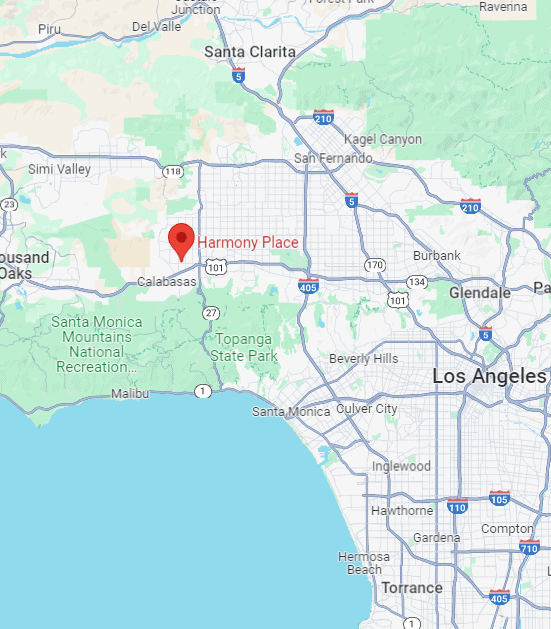
If you’re grappling with GHB addiction in Los Angeles, Harmony Place is one of numerous treatment and detox resources to assist you in your recovery. Our dedicated team provides medically supervised detox and residential care, tailored to your specific needs. We also accept most insurance plans, making treatment more affordable. If you’re struggling with GHB addiction, call (855) 652-9048.
Harmony Place
23041 Hatteras St.
Woodland Hills, CA 91367
Harmony Place East
22913 Burbank Blvd.
Woodland Hills, CA 91367
Steps for Finding GHB Addiction Treatment in Los Angeles County
Finding the GHB addiction treatment in Los Angeles County, such as at Harmony Place, requires several thoughtful steps to ensure you or your loved one receives tailored and secure care. Here’s a practical guide to assist you in navigating the process:
- Evaluate Your Requirements
Determine whether inpatient (residential) or outpatient treatment best suits you. Consider options like a holistic approach, dual diagnosis treatment, or specialized therapies that address co-occurring mental health issues. Understanding your specific needs will help you identify the most suitable treatment options.
- Search for Nearby Centers
Conduct online searches using phrases like “GHB rehab near me” or “GHB addiction treatment Los Angeles” to find local programs. Additionally, online directories such as SAMHSA or the National Helpline can offer detailed lists of accredited facilities.
- Confirm Insurance Coverage
Verify which treatment centers are in-network with your insurance plan. Contact your insurer to understand coverage for detox, residential care, therapy, and aftercare services. Knowing this beforehand can help you avoid unexpected expenses.
- Check Accreditation and Licensing
Make sure any rehab facility you consider is accredited and licensed by established organizations such as CARF (Commission on Accreditation of Rehabilitation Facilities) or The Joint Commission. Accreditation ensures the facility adheres to professional standards for safety and quality care.
- Review Feedback and Testimonials
Look for insights from former patients who are GHB addiction recovery success stories. Use sources like Google, Yelp, or healthcare-specific review platforms to assess a center’s reputation, staff professionalism, and program quality.
- Reach Out to Facilities Directly
Contact potential GHB abuse programs to inquire about treatment methods, available therapies, staff qualifications, GHB addiction success rates, and aftercare support. Speaking directly with staff can help you determine if a program is a good fit for your needs.
- Visit the Facility if Feasible
A personal visit can offer valuable insights into the environment, culture, and staff interactions. It can also boost your confidence in your choice and ensure a comfortable, supportive setting for recovery.
How Much Does GHB Rehab Cost in Los Angeles Without Insurance?
The expense of GHB rehabilitation in Los Angeles without insurance can fluctuate significantly based on various factors, such as the type of program, duration of stay, and level of medical care needed. Typically, medical detoxification can cost between $2,000 and $5,000, while inpatient or residential treatment might be priced between $10,000 and $30,000 per month.
Outpatient programs are often more economical, costing between $3,000 and $10,000 for several weeks of care. Costs may also vary depending on the facility’s amenities, location, and therapeutic services. If you’re worried about expenses, contact us at Harmony Place, and we’ll help you explore your options. We offer tailored treatment plans and can collaborate with you to find flexible payment plans, sliding-scale options, or financial aid to make recovery more attainable.
What Is the Cost of GHB Treatment in Greater Los Angeles With Insurance Coverage?
With health insurance in the Greater Los Angeles area, your out-of-pocket expenses for GHB treatment can differ depending on the program type, duration, and whether the facility is in-network. For instance, inpatient or residential programs covered by major in-network insurance might cost approximately $100–$400 per day, which means about $3,000 to $12,000 for a 30-day stay.
Nonetheless, the real costs hinge on the details of your plan, including deductible, copayment, coinsurance, out-of-network coverage, and necessary medical necessity approval. To simplify this process, contact us at Harmony Place for a complimentary insurance benefits evaluation and assessment to identify the most appropriate level of care for your needs and guide you toward recovery.
Other Rehab Facilities for GHB Use Disorder in Los Angeles, California
Los Angeles boasts a wide array of rehabilitation centers tailored for GHB addiction, offering everything from medically monitored detoxification to residential treatment and outpatient services. These centers provide structured environments, expert counseling, and comprehensive support to help you safely overcome addiction and sustain long-term sobriety.
GHB recovery programs often include therapy for co-occurring mental health issues, strategies to prevent relapse, and activities focused on well-being. When choosing a rehab center, it’s crucial to consider factors such as accreditation, staff expertise, treatment approaches, and follow-up care options to ensure you receive the best possible care.

IOP for GHB Rehab
IOPs provide adaptable treatment options for you if you don’t need round-the-clock residential care but still require organized support. These programs often involve group therapy, counseling, relapse prevention education, and life skills development. This method enables you to stay at home while participating in regular therapy sessions, making it perfect if you’re juggling recovery with work, school, or family duties.
IOP programs for GHB addiction offer a continuum of care after detox or residential treatment, assisting you in maintaining sobriety while easing back into everyday life. Support from therapists and peers strengthens healthy coping skills and helps prevent relapse.
PHPs for GHB Addiction Treatment
PHPs offer a more intensive level of care than IOPs, providing you with structured treatment during the day while allowing you to spend evenings and weekends at home. These programs feature medical supervision, one-on-one and group counseling, holistic approaches, and education about addiction and recovery. This setup enables you to receive concentrated support while smoothly transitioning back into daily life.
PHPs are especially useful if you have moderate GHB dependence or require ongoing supervision after detoxification. This program serves as a bridge between inpatient care and outpatient services, providing a robust support network to help you reinforce your recovery objectives.
Dual Diagnosis for GHB Addiction Treatment
You might find that if you’re dealing with GHB use disorder, you also face mental health challenges like anxiety, depression, or bipolar disorder. Dual diagnosis treatment programs are designed to tackle both substance use and mental health issues at the same time, offering integrated care that boosts outcomes and lowers the chance of relapse.
Your treatment could involve therapy crafted for co-occurring disorders, medication management, and holistic support to help you manage symptoms and learn healthy coping mechanisms. These programs blend evidence-based methods with all-encompassing care, ensuring you get the specialized support needed for lasting recovery.

Does Private Insurance Include GHB Rehab Coverage in Los Angeles?
Numerous private insurance policies in Los Angeles provide coverage for GHB rehabilitation in Los Angeles, CA. However, coverage levels can vary by insurer and policy details. Most policies include essential services like medical detox, inpatient or outpatient addiction treatment, therapy, and medication management under mental health and substance abuse disorder benefits, as mandated by federal law.
Before starting treatment, you should confirm your insurance benefits. This will help you identify which services are in-network, what costs are covered, and whether prior authorization is necessary. Contact us at Harmony Place for free insurance verification to simplify the process and ensure you comprehend your options before committing to care.
Which Health Insurance Providers Pay for GHB Treatment in Los Angeles County?
Many major health insurance providers in Los Angeles County cover GHB addiction treatment, including Blue Cross Blue Shield (BCBS), Aetna, Cigna, UnitedHealthcare, Anthem, and Kaiser Permanente. These plans usually include a variety of services such as medical detox, inpatient or outpatient rehabilitation, counseling, and follow-up care under their behavioral health or substance abuse benefits.
The extent of coverage depends on your specific policy, plan type, and whether the treatment center is within the network. If you’re uncertain about what your plan includes, contact us at Harmony Place. Our team provides free, confidential insurance verification to determine which services your insurer will cover and to help reduce your out-of-pocket costs.
What to Expect During the Admissions Process at Harmony Place for GHB Care
Starting treatment for GHB addiction might seem daunting, but the admissions process at Harmony Place is crafted to be empathetic, supportive, and hassle-free. From your initial call, our team collaborates with you to comprehend your circumstances and guides you through each phase with care and discretion. We ensure every aspect—medical, emotional, and logistical—is managed with dignity and expertise.
When you contact us at Harmony Place, our admissions steps typically include:
- Initial Confidential Consultation
You’ll connect with one of our compassionate admission specialists, who will listen to your story, address your queries, and collect essential background details.
- Insurance Verification and Financial Options
Our team will conduct a free insurance benefits check to clarify what your plan includes and discuss available payment solutions if required.
- Clinical Assessment
A licensed clinician will evaluate to determine the suitable level of care, whether it’s medical detox, residential treatment, or outpatient support.
- Personalized Treatment Planning
Based on your assessment, we’ll develop a tailored plan that meets your physical, emotional, and mental health requirements.
- Admission and Welcome
Upon your arrival at Harmony Place, you’ll be greeted by our welcoming team, complete a brief orientation, and begin your care in a secure, supportive environment.
At Harmony Place, we aim to make the entry into GHB addiction treatment as seamless and reassuring as possible. From your first conversation to your arrival, you’ll have a dedicated team by your side—assisting you or your loved one in taking the first confident step towards recovery and enduring wellness.
Locations Offering No-Cost GHB Assessments in Los Angeles
If you’re looking for places that offer no-cost assessments for GHB addiction or other substance abuse issues in Los Angeles County, you’re not alone—and assistance is available. Several treatment centers, such as Harmony Place, offer complimentary, confidential evaluations as part of the admissions process.
These free assessments help determine the severity of your addiction, explore co-occurring mental health conditions, and identify the appropriate level of care. If you or someone you care about is ready to start GHB abuse recovery, contact us at Harmony Place.
Research and Statistics on GHB Substance Use Disorder and Addiction in Los Angeles County
- According to the Substance Abuse and Mental Health Services Administration (SAMHSA), in 2022, roughly 0.1% of individuals in the U.S. reported using GHB in the previous year — around 211,000 people.
- Records from the National Institute on Drug Abuse (NIDA) indicate that in 1999, over 100 calls related to GHB addiction were logged in Los Angeles County, with males making up two-thirds of these cases.
- A study on club-drug consumption in Los Angeles revealed that among young men who engage in sexual activity with other men (MSM), 5% reported having used GHB at some point in their lives; of these, 31% had used it within the last three months, and 27% within the previous 30 days.
- The “Reaching the 95%” initiative reveals that in Los Angeles County, approximately 16% of individuals are believed to have experienced a substance use disorder, including GHB dependency, in the previous year, but merely around 5% receive treatment.
- In Los Angeles County, approximately 1,482,000 people face challenges with a substance use disorder, like GHB addiction, and unintentional drug or alcohol fatalities occur in the thousands annually.
Top Attractions in Los Angeles County
Los Angeles County, located in the core of Southern California, is among the most lively and diverse places in the Golden State. As you’re probably aware, it’s renowned globally for its connections to Hollywood and the entertainment sector. You can discover famous sites like the Hollywood Sign, wander along the Walk of Fame, and indulge in top-notch shopping and dining.
Families often visit Disneyland, while the stunning beaches—from Malibu to Santa Monica—provide ideal spots for surfing, sunbathing, or people-watching beneath the swaying palm trees.
Beyond the metropolis, day trips unveil the remarkable diversity of the West Coast. You might head east to Palm Springs or Palm Desert to explore the desert landscape, adorned with cactus and lavish resort getaways.
If you’re an outdoor enthusiast, you can venture into nearby mountains or travel north to Yosemite to experience California’s natural splendor. The region’s tech industry, cultural diversity, and proximity to San Diego make Los Angeles County a distinctive intersection of creativity, nature, and opportunity—where both celebrities and everyday visitors like you can discover something unforgettable.