ClickCease
Skip to main content
MDMA and Ecstasy Addiction Rehab

Harmony Place operates several facilities offering substance abuse recovery care, including MDMA addiction treatment in Los Angeles, CA. If you’re combating MDMA and ecstasy addiction, our addiction rehab centers are designed to help you throughout the entire process, from managing withdrawal symptoms within our detox programs to ongoing addiction intervention programs.

If you’re looking for MDMA rehab centers in Los Angeles, CA, call us. This page will help you locate facilities that provide treatment for MDMA and ecstasy addiction and recognize MDMA and ecstasy addiction signs and symptoms. It also outlines the typical costs, with or without the support of insurance, of attending MDMA and ecstasy detox centers and treatment programs.

About MDMA and Ecstasy

What Is MDMA (3,4-Methylenedioxymethamphetamine)?

MDMA, or 3,4-methylenedioxymethamphetamine, is a synthetic psychoactive substance that functions as both an energizer and a light hallucinogen. It boosts the amount of serotonin, dopamine, and norepinephrine in your brain, leading to increased empathy, emotional openness, and heightened sensory experiences. Often referred to as “ecstasy” or “molly,” you might encounter it in recreational settings.

When you use MDMA, you might feel a lifted mood, become more social, and notice amplified sensory perceptions. However, you should be aware of the risks, like dehydration, overheating, anxiety, and the possibility of long-term changes to your serotonin system. Since its purity can vary considerably outside regulated environments, safety is a significant concern. Researchers are currently exploring MDMA’s potential therapeutic applications, especially for PTSD, in controlled clinical trials.


Recognizing the Common Symptoms of MDMA and Ecstasy Addiction

Identifying MDMA and ecstasy addiction symptoms can be tricky since these drugs are often used in social settings and may not lead to the same physical dependence as other substances. However, psychological reliance, compulsive use patterns, and increasing harm over time are indicators of a potential issue.

Recognizing these MDMA addiction indicators can help you determine when support or professional help might be needed. Common signs and symptoms of MDMA or ecstasy addiction you might experience include:

  • Cravings and mental preoccupation

Constantly thinking about using the drug, planning your subsequent use, or feeling intense urges to take it.

  • Increasing tolerance

Requiring higher or more frequent doses to achieve the same emotional or sensory effects.

  • Difficulty cutting back

Repeatedly failing to reduce or control your use, even though you want to stop.

  • Using despite negative consequences

Continuing to use even when it causes issues with your health, relationships, responsibilities, or mental well-being.

  • Withdrawal-like emotional symptoms

Facing mood crashes, irritability, anxiety, or depression when not using the drug.

  • Social or behavioral changes

Putting drug use above hobbies, responsibilities, or relationships, or seeking out environments where use is prevalent.

  • Risk-taking behaviors

Using in unsafe settings, mixing substances, or ignoring safety concerns about purity or dosage.

If you notice several of these signs, it could suggest a problematic pattern of use. Seeking professional guidance, MDMA addiction counseling, or participating in substance misuse treatment programs can offer safe and practical support. There are several addiction rehabilitation options near you in the Los Angeles area, including Harmony Place. Our experienced team will begin with a free assessment to decide what MDMA addiction recovery resources will aid you most in attaining sobriety.

Are MDMA and Ecstasy the Same Drug?

Are MDMA and Ecstasy the Same Drug?

MDMA and ecstasy are connected but not always identical. MDMA is the chemical compound 3,4-methylenedioxymethamphetamine, whereas ecstasy is a term used for pills or powders that might contain MDMA but often have other substances mixed in. In other words, ecstasy might have MDMA, but its actual ingredients can differ.

Since ecstasy is not regulated, it may include stimulants, synthetic cathinones (commonly known as bath salts), or other additives that alter its effects and potential dangers. Pure MDMA, when confirmed in controlled environments, has more consistent effects. This difference is crucial for you to understand both the safety concerns and the variability of experiences related to using ecstasy.

Are MDMA & Ecstasy Considered Addictive Substances?

Are MDMA & Ecstasy Considered Addictive Substances?

MDMA and ecstasy are viewed as having the potential for addiction, though typically less so than drugs like opioids or stimulants such as cocaine and methamphetamine. You might develop a psychological reliance on them because they significantly impact your brain’s serotonin and reward mechanisms, causing you to desire the emotional experiences linked to the drug.

Physical dependence is less frequent, and withdrawal symptoms are usually milder compared to those of more addictive substances. Nonetheless, frequent use can result in tolerance, mood shifts, and compulsive usage patterns. Ecstasy, due to possible unknown additives, can also present unpredictable dangers that could increase the chances of harmful or repeated use. If you’re struggling with MDMA and ecstasy abuse, contact us at Harmony Place.

What Are the Effects of MDMA or Ecstasy?

What Are the Effects of MDMA or Ecstasy?

MDMA, also known as ecstasy, usually gives you a boost in energy, emotional warmth, empathy, improved sensory awareness, and a sense of happiness. These sensations arise from an increase in serotonin, dopamine, and norepinephrine in your brain. You might find yourself more sociable and have a deeper appreciation for music, touch, and your environment.

On the flip side, MDMA and ecstasy can lead to unwanted effects like anxiety, nausea, jaw clenching, dehydration, and overheating. After taking it, you might experience a comedown, including tiredness, irritability, or a low mood, due to reduced serotonin levels. Since ecstasy can contain other substances, the effects and risks you face might be less predictable.

Is it Safe to Detox from MDMA or Ecstasy Without Medical Support?

Is it Safe to Detox from MDMA or Ecstasy Without Medical Support?

Detoxing from MDMA or ecstasy is often not considered medically risky, as these drugs don’t usually lead to intense physical withdrawal symptoms. You might encounter emotional or psychological discomfort—like feeling down, irritability, tiredness, or cravings—rather than severe physical issues. However, this doesn’t mean that detoxing on your own is always safe or advisable.

When overcoming MDMA addiction, you might face depression, anxiety, or other mental-health issues during the comedown or initial detox phase. If you’ve been using heavily, mixing substances, or have pre-existing mental-health disorders, medical or professional assistance within addiction treatment facilities can offer safety, supervision, and emotional support. Contacting an addiction recovery program, like Harmony Place, is always the safest choice.

Statistics About MDMA or Ecstasy Addiction in California

Statistics About MDMA or Ecstasy Addiction in California

Recent information points out several significant patterns concerning the ecstasy and MDMA addiction rate and consumption in California. According to the National Survey on Drug Use and Health (NSDUH), about 0.9% of people in the U.S.—including those in California—reported using MDMA or ecstasy in the past year.

At the state level, nearly 9% of California residents met the criteria for a Substance Use Disorder (SUD), encompassing MDMA and ecstasy misuse. In Los Angeles County alone, it is estimated that 1,482,000 individuals face some substance use issue, highlighting the substantial scale of addiction-related problems in the area, including the MDMA dependence rate.

Further studies emphasize the increasing urgency of hallucinogen-related health issues. Emergency room visits associated with hallucinogens, including MDMA, rose by 54% in California from 2016 to 2022, indicating heightened risks linked to use. Nationally, findings from the NESARC study reveal that 1.6% of U.S. adults have tried ecstasy at least once, and among these individuals, 31% met the criteria for hallucinogen misuse. Altogether, these figures demonstrate both the prevalence of MDMA/ecstasy use and the necessity of accessible prevention, education, and treatment resources throughout California.

What Is an Ecstasy Addiction Rehab Treatment Center in Los Angeles, California?

An ecstasy rehabilitation treatment center in Los Angeles is a place that assists you if you’re dealing with MDMA and ecstasy dependence. These facilities offer a secure, organized environment where you can undergo medical detox, if necessary, engage in addiction therapy, participate in MDMA addiction support groups, and address any simultaneous mental health challenges contributing to your substance abuse.

If you’re seeking MDMA abuse recovery in Los Angeles, contact us at Harmony Place. Our dedicated team provides a comprehensive range of care, tailored to your needs. Our addiction recovery success stories speak for themselves. Our substance abuse treatment programs integrate evidence-based therapies, such as Cognitive Behavioral Therapy (CBT) and motivational enhancement, with holistic approaches, making our rehab options an excellent choice if you’re seeking professional assistance for ecstasy or other drug addictions.
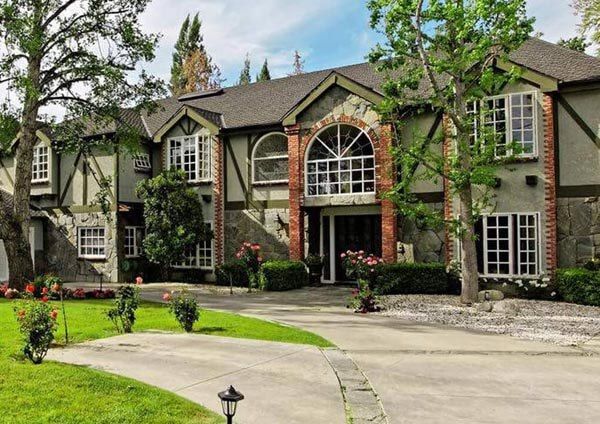
Outside view of Harmony Place, an addiction rehab facility in Woodland Hills, CA
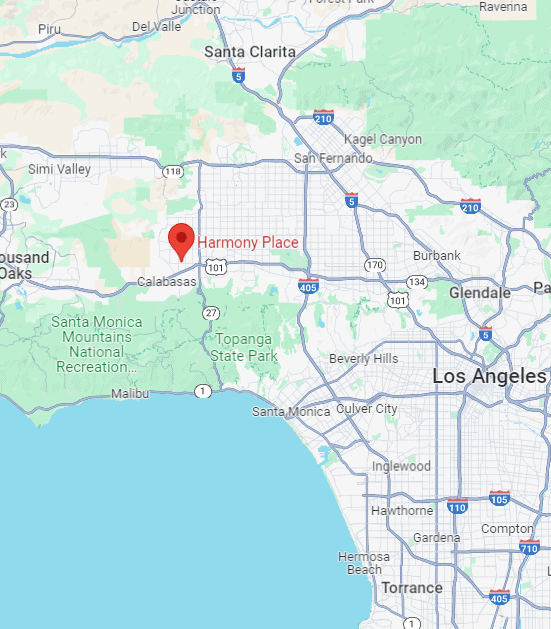
Map of areas around Harmony Place addiction rehab near LA

Treatment and Detox Resources for MDMA or Ecstasy Addiction in Los Angeles

Harmony Place offers top-notch rehab services for MDMA and ecstasy addiction in Los Angeles, CA. Our MDMA detox and inpatient treatment options provide exceptional residential support. By accepting a range of major insurance plans, we help make MDMA addiction recovery more accessible and affordable. If you’re seeking help with MDMA abuse, call (855) 652-9048.

Harmony Place
23041 Hatteras St.
Woodland Hills, CA 91367

Harmony Place East
22913 Burbank Blvd.
Woodland Hills, CA 91367

Finding Treatment for MDMA and Ecstasy Addiction in LA County

Finding Treatment for MDMA and Ecstasy Addiction in LA County

Finding a way to address MDMA or ecstasy dependency in Los Angeles County might seem daunting, but breaking the process down into manageable steps can simplify it. LA offers numerous top-notch treatment options, including esteemed programs such as Harmony Place.

Here is a step-by-step guide to assist you in finding the right rehab options for MDMA and ecstasy addiction:

  1. Determine the Care Level You Require

Consider whether you need a safe medical detox, a structured inpatient program, or the flexibility of outpatient treatment. Also, think about additional needs such as dual diagnosis treatment, trauma-informed therapy, or holistic support.

  1. Perform a Focused Online Search

Use search terms like “MDMA addiction treatment in Los Angeles County” or “ecstasy rehab centers near me.” This will help you locate facilities in your desired area.

  1. Utilize Reliable Treatment Directories

Resources such as SAMHSA’s treatment locator or other national addiction treatment directories can help you find licensed, reputable programs.

  1. Explore Your Insurance Options

Reach out to your insurance provider to discover which addiction treatment centers are in-network. Request a list of covered detox, residential, and outpatient programs in LA County.

  1. Verify Licensing and Accreditation

Consider only facilities accredited by organizations such as The Joint Commission or CARF to ensure the center maintains high standards of care and safety.

  1. Examine Patient Reviews and Testimonials

Check reviews on Google, Yelp, and healthcare-specific sites, focusing on staff professionalism, program quality, and alumni experiences.

  1. Communicate Directly with Treatment Centers

Contact facilities to inquire about their approach, therapies offered, staff expertise, and aftercare planning. This discussion can often reveal whether the program aligns with your needs.

  1. Arrange a Tour or Virtual Visit

If feasible, visit the center to gauge the environment, staff friendliness, and overall atmosphere. A tour can boost your confidence in your choice.

Are Residential Treatment Options Available for MDMA and Ecstasy Addiction in Los Angeles?

There are multiple residential treatment choices in Los Angeles County if you’re dealing with MDMA and ecstasy addiction. These programs provide continuous care in a protected, organized, and therapeutic setting. They offer you the opportunity to distance yourself from external triggers and to concentrate entirely on recovery, often including evidence-based therapies, dual-diagnosis support, and holistic wellness approaches.

At Harmony Place, our residential facility provides customized, 24/7 care, integrating medical supervision, dual diagnosis treatment, and evidence-based substance abuse therapies in a peaceful, supportive environment. To begin your recovery, contact our qualified team for a complimentary evaluation by calling (855) 652-9048.


Are Medically Supervised Detox Programs Offered for Ecstasy Misuse in the Los Angeles Area?

Medically supervised detox programs are accessible in the Los Angeles vicinity if you’re battling MDMA and ecstasy misuse. Substance Use Disorder (SUD) detoxification programs offer continuous medical supervision, experienced clinical staff, and, when available, Medication-Assisted Treatment (MAT) to ensure safe withdrawal management.

Although MDMA withdrawal isn’t typically as physically intense as withdrawal from substances like alcohol or benzodiazepines, a medically supervised detox can still support you in handling emotional challenges, cravings, and any issues that may develop in the initial stages of quitting.

If you are struggling with MDMA addiction signs, contact us at Harmony Place. Our compassionate team will supervise you around the clock during withdrawal, ensuring you are in a safe and organized setting. Once you are stable, you can effortlessly transition into our residential treatment programs, which are supported by evidence-based MDMA therapies and dual diagnosis support, if you’re dealing with co-occurring mental health disorders simultaneously.

How Much Is Ecstasy Abuse Treatment in LA for the Uninsured?

The expense of MDMA and ecstasy addiction rehab in Los Angeles, if you’re without insurance, can differ dramatically based on the care level, program duration, and amenities available. Outpatient care is typically the most economical option. For outpatient services, you might see costs ranging from $3,000 to over $10,000 per month.

The exact amount will depend on the number of therapy sessions, the types of counseling available, and the program’s overall length. Inpatient treatment, however, is more comprehensive and consequently more costly. Residential centers usually charge between $10,000 and $30,000 for a 30-day program, with higher rates for luxury facilities or rehab options offering specialized medical support and intensive therapy.

While these figures might appear daunting, many treatment centers provide payment plans, sliding-scale fees, or financing options to make treatment more accessible for those without insurance. Some facilities also offer scholarships, discounted services, or referrals to state-funded options. By exploring various centers, inquiring about financial assistance, and assessing the level of care you genuinely need, you can find a treatment option that suits your budget while still delivering quality care. We recognize that this process seems daunting. Contact us at Harmony Place and let us alleviate your stress by calculating the total cost of your care without insurance coverage.


How Much Is Ecstasy Abuse Treatment in LA With Insurance?

The expense of MDMA and ecstasy abuse treatment in Los Angeles with insurance can still fluctuate significantly based on your plan, deductible, copayments, and the level of care you receive. Once insurance coverage is applied, inpatient or residential treatment costs are often significantly reduced. For residential treatment, you may spend around $3,000 to $12,000 or more for a 30-day stay.

The extent of your coverage will depend on your insurance coverage, the facility’s rates, and any remaining out-of-pocket expenses. Outpatient programs are often more cost-effective with insurance as well. These might range from $500 to several thousand dollars each month, depending on session frequency, program intensity, and your specific insurance benefits.

Insurance plans differ widely, so your exact cost will depend on factors such as network status, deductibles, coinsurance rates, and whether prior authorization is required. Contact us at Harmony Place and let us assist in confirming your coverage so you know what is and isn’t included before starting care.

More Treatment Options for MDMA and Ecstasy Addiction in Los Angeles

You’ll find numerous treatment options in Los Angeles for MDMA and ecstasy abuse. Outpatient and intensive programs offer evidence-based therapies, including CBT, motivational interviewing, support group counseling, and relapse-prevention planning. Many of these rehab programs also include holistic practices such as mindfulness, yoga, and art therapy.

A comprehensive continuum of care often involves an assortment of treatment options for MDMA and ecstasy addiction in LA. These rehabilitation programs ensure continuity of care after the initial phase of treatment and assist you in transitioning back to everyday life while maintaining sobriety.

Outdoor backyard view of Harmony Place, a substance addiction rehab center

IOP for MDMA Treatment

An Intensive Outpatient Program (IOP) offers organized therapy sessions while enabling you to stay at home or in a sober living setting. Typically, you’ll participate in therapy three to five times a week, including one-on-one counseling, group discussions, and strategies to prevent relapses.

IOP is perfect if you’ve finished detox or residential treatment and are seeking continued support while getting back to your everyday routine.

PHP for MDMA Treatment

Partial Hospitalization Programs (PHPs) provide a focused daytime treatment option. You participate in substance abuse therapy and counseling sessions throughout the day but return to your home or a supportive living situation in the evening. If you need more structure than an IOP but don’t require round-the-clock supervision, a PHP offers a middle ground between intensive care and personal freedom.

Dual Diagnosis for MDMA Treatment

In dual diagnosis programs, you receive treatment for MDMA addiction and any accompanying mental health conditions at the same time. Your therapy options might involve CBT, trauma-informed care, and psychiatric assistance. By tackling both addiction and underlying mental health concerns, you enhance your chances of achieving long-term success and sustaining lasting recovery.

Does Private Insurance Cover MDMA and Ecstasy Treatment in Los Angeles?

Private insurance frequently includes coverage for MDMA and ecstasy misuse treatment in Los Angeles. Due to California law and federal rules such as the Mental Health Parity and Addiction Equity Act, numerous health insurance plans are required to provide access to medically necessary substance use disorder treatments.

This may encompass services like medically supervised detoxification, residential rehabilitation, partial hospitalization, outpatient therapy, and dual-diagnosis care. At Harmony Place, we accept various private health insurance plans and will assist you in confirming your benefits. Our reliable team will help you understand what your plan covers and the potential out-of-pocket expenses, such as deductibles, copays, or coinsurance, and guide you through any necessary prior authorization.


Which Insurance Providers Cover Rehab for MDMA and Ecstasy in LA County?

Many leading private insurance companies in LA County provide coverage for rehabilitation related to MDMA and ecstasy dependence. Several significant insurers that frequently offer coverage for behavioral health and substance use disorders include Blue Cross Blue Shield (BCBS), Aetna, and Cigna.

If you need help verifying your insurance benefits, contact us at Harmony Place. To determine how your policy applies—what treatment options are available and your potential out-of-pocket expenses—our expert team can provide you with a complimentary insurance benefit check, speedy admissions, and a free initial evaluation to decide the level of care that you require.

What the Recovery Process Looks Like for MDMA and Ecstasy at Harmony Place

Recovering from MDMA or ecstasy addiction at Harmony Place is a well-organized, empathetic process crafted to help you rebuild your life in the heart of Southern California, surrounded by the distinctive culture, diversity, and natural splendor of the Golden State.

Whether you’re arriving from Los Angeles, Hollywood, San Diego, or vacation spots like Palm Springs and Palm Desert, your recovery path combines clinical care with the comforting environment the West Coast is famous for—palm trees, beaches, cactus-filled desert landscapes, and even renowned sites like the Hollywood Sign and Disneyland, just a drive away. You might find strength in the surroundings, whether you enjoy surfing, exploring places like Yosemite, or drawing inspiration from California’s vibrant entertainment and tech industry.

At Harmony Place, your MDMA and ecstasy abuse recovery is tailored to you but follows a structured, research-backed treatment path. Our addiction rehab programs support physical stabilization, emotional recovery, and long-term strategies to prevent relapse. Our tranquil location and therapeutic approach provide a nurturing retreat—one that feels as inviting as a resort. While the area is known for celebrities, the program is designed for all backgrounds.

An in-depth look at your addiction recovery process at Harmony Place:

  • Medical Detox: A secure, supervised setting helps you withdraw from MDMA or ecstasy comfortably and with medical assistance.
  • Residential Treatment: 24/7 care, personal therapy, group sessions, trauma-informed treatment, and support for dual diagnoses.
  • Therapeutic Modalities: Evidence-based models like CBT, DBT, and holistic methods for mind–body harmony.
  • Aftercare & Relapse Prevention: Continuous support, sober planning, and support group resources to sustain long-term sobriety.

Free Addiction Assessment for MDMA Addiction in Los Angeles

A complimentary evaluation for MDMA and ecstasy dependency in Los Angeles provides you with a straightforward, private method to assess your treatment requirements and consider suitable care options. This type of evaluation normally involves questions regarding your substance use history, mental health, physical symptoms, and personal aspirations.

It helps determine whether you might benefit from detox, inpatient treatment, outpatient care, or a different level of support. At Harmony Place, we offer this free evaluation as part of our admissions process, allowing you and your family to consult with trained professionals who can guide you toward the most appropriate treatment path. The evaluation is confidential, commitment-free, and designed to make your first step into recovery as easy and supportive as possible. You can schedule your complimentary evaluation by calling (855) 652-9048.

Statistics on MDMA and Ecstasy Addiction in California

Statistics on MDMA and Ecstasy Addiction in California

  • Based on the National Survey on Drug Use and Health (NSDUH), around 0.9% of people in the U.S., including those residing in California, indicated they had used MDMA and ecstasy in the last year.
  • In California, 9% of individuals met the criteria for a Substance Use Disorder (SUD), which includes addiction to MDMA and ecstasy, according to the latest report; many SUDs involve illegal substances.
  • In Los Angeles County, approximately 1,482,000 individuals are believed to have a substance use issue, including MDMA and ecstasy dependence.
  • Emergency room visits in California for problems related to hallucinogens (including MDMA misuse) saw a notable rise — the count of ER visits surged by 54% from 2016 to 2022.
  • A national epidemiological study (NESARC) indicated that 1.6% of adults in the U.S. had tried ecstasy at some point in their lives; of those who used ecstasy, 31% satisfied the conditions for hallucinogen misuse.
Top Attractions in Los Angeles County

Top Attractions in Los Angeles County

Los Angeles County, located in the core of Southern California, is among the most lively and diverse places in the Golden State. As you’re probably aware, it’s renowned globally for its connections to Hollywood and the entertainment sector. You can discover famous sites like the Hollywood Sign, wander along the Walk of Fame, and indulge in top-notch shopping and dining.

Families often visit Disneyland, while the stunning beaches—from Malibu to Santa Monica—provide ideal spots for surfing, sunbathing, or people-watching beneath the swaying palm trees.

Beyond the metropolis, day trips unveil the remarkable diversity of the West Coast. You might head east to Palm Springs or Palm Desert to explore the desert landscape, adorned with cactus and lavish resort getaways.

If you’re an outdoor enthusiast, you can venture into nearby mountains or travel north to Yosemite to experience California’s natural splendor. The region’s tech industry, cultural diversity, and proximity to San Diego make Los Angeles County a distinctive intersection of creativity, nature, and opportunity—where both celebrities and everyday visitors like you can discover something unforgettable.

Why Choose Harmony Place

At Harmony Place, decades of clinical expertise meet genuine compassion and individualized care, because recovery isn’t just about sobriety; it’s about rediscovering who you are. Founded by a therapist who has seen addiction’s toll firsthand and refused to give up, Harmony Place is a sanctuary where evidence-based treatment and real human connection come together to create lasting change.

  • Therapist-founded care
  • Physicians specializing in addiction care
  • 24/7 on-site nurses
  • Evidence-based treatment programs
  • Dual diagnosis expertise
  • Exclusive 12-bed program
  • A gourmet chef
  • Accepts many insurances
Verify Coverage Today
Comprehensive & Accredited Rehab

At Harmony Place, our goal is to be among the best rehab centers in Los Angeles, California, through compassionate and expert care with an emphasis on treating each individual with dignity.

Harmony Place is a California state-licensed treatment facility and a leader in evidence-based treatment for co-occurring mental health and substance use disorders. We offer an integrated program that maximizes clinical service and education.

Professional Treatment Team

Our professional addiction treatment and recovery care team includes:

  • Contracted physicians specializing in addiction care
  • Contracted addiction psychiatrist, who utilizes a holistic approach
  • Licensed counselors and therapists
  • Licensed vocational nurses, on site 24/7
  • Support staff specially trained in understanding & caring for our clients
  • A gourmet chef
  • Specialists in psychodrama, EMDR, DBT, somatic therapies & art therapy
  • Specially trained admissions specialists and discharge coordinators
Real Patient Reviews

Read stories from real people who found hope and healing at Harmony Place.