Nicotine and Vaping Addiction Treatment Centers in California
Harmony Place runs many facilities that offer nicotine addiction treatment in Los Angeles, CA. Overcoming nicotine addiction isn’t an easy task. Our substance abuse rehabilitation centers are tailored to support you at every step, from managing withdrawal symptoms in our medical detox programs to providing aftercare services when you’ve completed your time at our addiction treatment facilities.
If you are trying to locate the best treatment for nicotine and vaping addiction, call us. On this page, you will learn about the nicotine addiction rate, how to identify nicotine and vaping addiction signs and symptoms, and the expenses associated with attending a nicotine and vaping addiction detox center or treatment facility.
How Is Nicotine Defined?
Nicotine is a natural chemical compound mainly found in tobacco plants, and it acts as a stimulant, impacting your central nervous system. It’s the primary addictive element in cigarettes, vapes, cigars, and other tobacco products, offering both energizing and relaxing effects that make it highly habit-forming.
Apart from its addictive nature, nicotine alters your brain chemistry by quickly boosting dopamine levels, which encourages repeated use. Although nicotine itself isn’t the leading cause of tobacco-related diseases, its role in creating dependence keeps you using products that pose significant health risks. Understanding how nicotine functions is crucial for recognizing addiction and exploring practical ways to quit.
Recognizing Common Symptoms of Nicotine and Vaping Addiction
Identifying your nicotine and vaping addiction symptoms can be challenging, especially since many believe vaping is less dangerous than smoking. However, both habits can lead to a strong dependency and a cycle of cravings, withdrawal, and habitual use. Recognizing the signs of addiction can help you determine when occasional use has turned into a more serious problem requiring addiction intervention.
Typical signs and symptoms of nicotine and vaping dependence include:
- Frequent cravings
Strong urges to vape or smoke throughout the day, even when trying to reduce usage.
- Withdrawal symptoms
Experiencing irritability, anxiety, restlessness, difficulty concentrating, headaches, or low mood when not using nicotine.
- Loss of control
Unsuccessful attempts to quit or cut down, or needing nicotine immediately upon waking.
- Increasing tolerance
Requiring more frequent vaping or stronger nicotine products to feel the same effects.
- Using despite consequences
Continuing to vape or smoke even when facing health issues, financial stress, or conflicts at school, work, or home.
- Prioritizing nicotine use
Going out of your way to access vaping devices or cigarettes, choosing environments where use is allowed, or feeling anxious when unable to vape.
- Disrupted daily routine
Having difficulty focusing on school, work, or social activities without vaping, or planning your day around nicotine use.
If you notice several of these indicators, it may suggest growing dependence on nicotine or vaping products. Seeking support from nicotine rehab centers in Los Angeles, CA, such as Harmony Place, can help you regain control and gain sobriety.
Is Nicotine an Addictive Drug?
Nicotine is extremely habit-forming. It swiftly triggers the release of dopamine and other brain chemicals, producing enjoyable sensations that encourage repeated use. Since its effects occur within seconds of being inhaled or absorbed, your brain quickly develops dependency patterns, making nicotine one of the most addictive substances legally available.
As you continue regular use over time, nicotine leads to tolerance and withdrawal symptoms such as irritability, anxiety, trouble focusing, and intense cravings. These withdrawal effects often make it tough to quit. Whether you get it from cigarettes, cigars, vaping devices, or smokeless tobacco, nicotine’s addictive nature remains consistent, leading to long-term reliance for millions. If you’re struggling with nicotine and vaping addiction, contact us at Harmony Place. After our free assessment, we can help you find the addiction rehabilitation options that align with your needs.
Is There a Difference Between Smoking Cigarettes and Vaping?
You can notice a distinction between smoking cigarettes and vaping, mainly in how nicotine reaches your system and the ingredients involved. Cigarettes combust tobacco, creating smoke with thousands of chemicals, including tar and carbon monoxide, many of which are toxic or cancer-causing.
Vaping, in contrast, heats a liquid (often with nicotine) into an aerosol without burning, producing fewer harmful substances than traditional cigarette smoke. Nonetheless, vaping is not without risks. E-cigarette aerosol may still contain dangerous elements like heavy metals, ultrafine particles, and chemical flavorings that could impact your lung health. Both vaping and smoking can lead to nicotine addiction, negatively impacting your cardiovascular and respiratory systems. While vaping might be less harmful than smoking if you switch entirely, neither is deemed safe.
How Can Nicotine and Vaping Addiction Affect the Body and Brain?
Nicotine and vaping addiction can profoundly impact both your body and mind. Nicotine quickly triggers the release of dopamine, which intensifies cravings and reliance. Over time, this disrupts normal brain communication, affecting your focus, mood regulation, impulse control, and ability to learn.
You’re especially at risk if you’re young, as nicotine can hinder brain development and heighten the chances of long-term dependence. On a physical level, nicotine increases your heart rate and blood pressure, putting extra strain on your heart and blood vessels. Vaping can introduce harmful substances—like formaldehyde, acrolein, and heavy metals—into your lungs, which may lead to inflammation, respiratory irritation, or chronic lung conditions. Both nicotine dependency and habitual vaping can weaken your immune system, heighten anxiety, and affect your overall well-being, even though vaping is often considered less dangerous than smoking.
Statistics About Smoking and Vaping in California
Statistics on smoking and vaping in California highlight both progress and ongoing challenges in tobacco control. According to a California Department of Public Health (CDPH) report based on the 2021–22 California Health Interview Survey, 11.4% of adults in California—roughly 3.4 million people—reported using some form of tobacco, while 4.7% reported current e-cigarette use.
Research from the CDC Foundation and USC indicates that after California implemented a ban on flavored tobacco, per capita e-cigarette nicotine sales dropped by 37% within the first 18 months, and cigarette sales declined by 10.6%, reflecting the impact of state-level policy on adult tobacco consumption. The “Let’s Get Healthy California” initiative notes that adult tobacco use in 2022–2023 remained around 11.3%, with a target reduction to 5.8% by 2034, demonstrating a statewide commitment to further lowering tobacco prevalence.
Focusing on local trends, the Los Angeles County Health Survey (2023) reports that approximately 5.7% of adults in L.A. County currently use e-cigarettes, showing slightly lower use compared to statewide figures but still representing a significant number of residents. The Los Angeles County Department of Public Health emphasizes that e-cigarettes are not approved by the FDA for smoking cessation, cautioning adults who do not already use tobacco against adopting vaping as a quitting strategy. These statistics underscore the ongoing need for targeted public health campaigns, education, and evidence-based cessation programs to reduce both traditional cigarette use and vaping among adults across California and Los Angeles County.
How Does a Vaping Addiction Treatment Center Work in Los Angeles?
A vaping addiction treatment center in Los Angeles is dedicated to treating vaping addiction. Our rehab facilities help tackle your nicotine dependency and the habits that trap you in the vaping loop. Addiction rehab centers usually start with an evaluation, followed by a tailored plan that might include medical assistance for withdrawal, Cognitive-Behavioral Therapy (CBT), group meetings, and stress-management techniques.
Many substance abuse treatment centers also offer holistic approaches—like mindfulness, exercise, and nutrition—to help you establish healthier routines and minimize triggers. Whether you choose outpatient or residential care, the aim is to empower you to understand your addiction, handle cravings, and create effective strategies to prevent relapse.
If you’re seeking vaping and nicotine recovery care in Los Angeles, contact us at Harmony Place. Our reliable team provides a thorough treatment setting where you can escape stressors and focus on your recovery. Our addiction recovery resources include personalized substance abuse therapy, medically informed care, and a serene residential environment designed to foster healing.

Treatment Programs for Vaping and Nicotine Addiction in Los Angeles
Harmony Place provides excellent rehabilitation services for nicotine dependency in Los Angeles, CA. Our nicotine and vaping detoxification facility and SUD rehab programs offer outstanding residential care. By accepting most insurance policies, we strive to make recovery from nicotine addiction more manageable and cost-effective. If you need assistance with nicotine misuse, call (855) 652-9048.
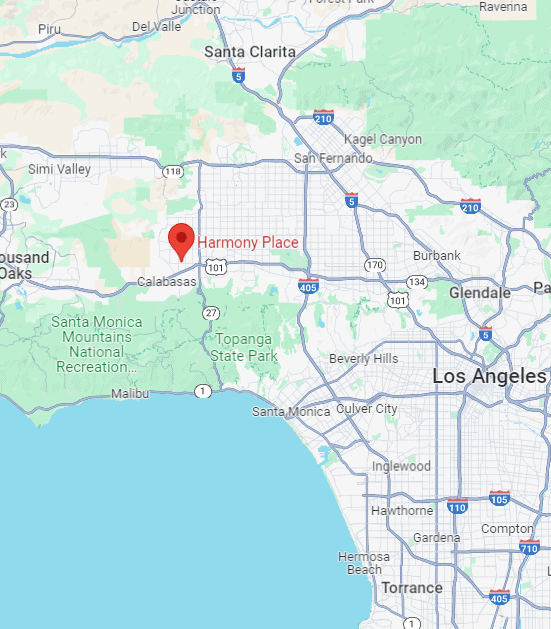
Harmony Place
23041 Hatteras St.
Woodland Hills, CA 91367
Harmony Place East
22913 Burbank Blvd.
Woodland Hills, CA 91367
How to Get Help for Nicotine and Vaping Addiction in LA County
Finding the appropriate treatment program for your nicotine or vaping addiction involves understanding the kind of assistance you require. Consider whether you favor a structured residential program, a flexible outpatient counseling approach, or a combination of the two. Reflect on any personal requirements, such as addressing anxiety, depression, trauma, or a preference for holistic or wellness-focused therapies.
Identifying your key priorities will help you narrow your choices effectively:
- Identify Your Treatment Priorities
Decide whether you need comprehensive support in a residential environment or if part-time outpatient care suits your schedule better. Consider any specific preferences, like structured therapy, holistic approaches, or dual diagnosis treatment.
- Begin Your Local Search
Use specific search terms like “vaping addiction treatment LA County” or “nicotine cessation rehab near me.” This will help you find centers that explicitly offer nicotine-related support.
- Consult Reputable Directories
Look into trusted national resources such as SAMHSA’s treatment locator or the National Helpline directory. These databases list licensed programs throughout LA County and allow you to filter by type of care.
- Investigate Your Insurance Options
Contact your health insurance provider to determine which treatment centers are in-network. Request a list of covered residential or outpatient addiction programs to compare costs and benefits.
- Verify Licensing & Accreditation
Ensure that organizations like The Joint Commission or CARF properly accredit each facility. Accreditation guarantees quality standards, safety, and evidence-based practices.
- Examine Testimonials & Patient Experiences
Read reviews from former clients on Google, Yelp, and healthcare review platforms. Look for feedback regarding staff quality, program structure, nicotine addiction recovery success stories, and the overall treatment environment.
- Contact Potential Programs
Reach out to each addiction recovery center to gather more information about their treatment model. Inquire about therapy options, medical support, nicotine-specific services, staff qualifications, and aftercare planning for ongoing support.
- Arrange a Visit When Possible
Touring a center can provide you with a clear sense of the environment and whether it feels supportive, safe, and aligned with your needs.
Are Residential Rehab Programs Available for Vaping and Nicotine Addiction in Los Angeles?
Residential rehabilitation programs are available for vaping and nicotine addiction in Los Angeles. While most inpatient facilities address substance use disorders, many of the treatments and services—such as addiction therapy, behavioral health interventions, dual diagnosis treatment, addiction support groups, and relapse prevention—are also applicable to nicotine dependency.
If you’re seeking nicotine treatment facilities in LA that provide residential addiction recovery programs, contact us at Harmony Place. Our dependable team offers around-the-clock care in a comfortable setting, including individual and group addiction counseling, relapse prevention, dual diagnosis support, and holistic approaches such as mindfulness and art therapy. We are skilled in addressing a variety of addictive and compulsive behaviors, not just substance abuse, making us well-equipped to handle nicotine or vaping addiction.
How Much Does Nicotine Rehab Cost in Los Angeles Without Insurance?
The cost of nicotine and vaping addiction rehab in Los Angeles, if you’re without insurance, can vary significantly depending on the level of care, program length, and available amenities. Outpatient treatment is usually the most affordable choice. For these services, expenses can range from $3,000 to over $10,000 monthly.
The specific cost will hinge on the number of nicotine abuse therapy sessions, the types of counseling offered, and the overall program duration. On the other hand, inpatient treatment is more thorough and thus more expensive. Residential facilities typically charge between $10,000 and $30,000 for a 30-day program, with higher prices for luxury centers.
Although these numbers may seem overwhelming, many treatment centers offer payment plans, sliding-scale fees, or financing options to make treatment more accessible for those without insurance. Some facilities also provide scholarships, reduced-cost services, or referrals to state-funded alternatives. By researching different centers, asking about financial aid, and evaluating the level of care you truly need, you can find a treatment option that fits your budget while still offering quality care. We understand that this process can seem challenging. Contact us at Harmony Place, and we’ll help ease your concerns by calculating the total cost of your care without insurance coverage.
How Much Does Nicotine Rehab Cost in Los Angeles With Insurance?
The cost of nicotine and vaping addiction treatment in Los Angeles with insurance can vary greatly depending on your plan, deductible, copayments, and the level of care provided. Once insurance is factored in, inpatient or residential treatment expenses are often significantly lowered. For residential care, you might expect to pay between $3,000 and $12,000 or more for a 30-day program.
The coverage you receive will hinge on your insurance policy, the facility’s fees, and any remaining out-of-pocket costs. Outpatient programs tend to be more economical with insurance as well. These can range from $500 to several thousand dollars per month, depending on session frequency, program intensity, and your specific insurance benefits.
Insurance plans vary considerably, so your precise cost will depend on factors like network status, deductibles, coinsurance rates, and whether prior authorization is needed. Contact us at Harmony Place, and we can help verify your coverage so you understand what is and isn’t covered before beginning your recovery care.
Programs Supporting Nicotine and Vaping Recovery in the Greater Los Angeles Area
You’ll discover a variety of treatment choices in Los Angeles for nicotine and vaping addiction. Outpatient and intensive programs provide evidence-based therapies such as cognitive-behavioral therapy, motivational interviewing, support group counseling, and relapse-prevention planning. Many of these nicotine treatment programs also incorporate holistic methods such as yoga, mindfulness, and art therapy.
There is a thorough range of treatment options for nicotine and vaping dependence in LA. These rehabilitation programs ensure seamless care after the initial treatment phase and help you transition back to daily life while staying sober.

Intensive Outpatient Program
An Intensive Outpatient Program (IOP) for nicotine and vaping recovery in LA offers you a comprehensive, organized treatment plan that combines flexibility with essential support. You can attend sessions led by clinicians several times a week—usually between 3 and 5 days—with each session lasting several hours.
At nicotine rehab facilities in LA, you’ll engage in individual therapy, substance misuse counseling, educational classes, relapse-prevention strategies, and sometimes trauma-informed therapies like CBT or DBT. Thanks to the adaptable schedule, you can continue working, studying, or managing family duties while receiving assistance, gaining more accountability and structure than typical outpatient services provide.
Partial Hospitalization Program
The Partial Hospitalization Program (PHP) is a more intensive day treatment option that serves as a clinical bridge between inpatient and outpatient care. In these programs, you would typically attend therapy and other clinical services throughout the day, returning home in the evenings.
In these settings, you can receive strong therapeutic engagement, medical supervision, and access to a wide array of recovery tools — such as life-skills groups, family therapy, and co-occurring disorder treatment — all while staying connected to your home environment or sober-living setting.
Co-Occurring for Nicotine Treatment
If you’re dealing with nicotine or vaping addiction, you might also encounter mental health issues like anxiety, depression, or trauma. In LA, several rehab programs specialize in co-occurring or dual diagnosis treatment, which means you tackle both addiction and mental health concerns simultaneously.
These SUD rehab programs employ evidence-based approaches, manage medications when necessary, and provide life-skills training to help you address both the psychological triggers for nicotine use and the physical addiction itself — offering a more comprehensive and enduring path to recovery.

Do Insurance Policies Cover Vaping or Nicotine Rehab in Los Angeles?
Insurance policies often offer coverage for nicotine and vaping addiction rehab in Los Angeles. Owing to California regulations and federal mandates like the Mental Health Parity and Addiction Equity Act, many health insurance policies must provide access to essential substance use disorder treatments, including vaping and nicotine dependence.
This can include services such as medically supervised detox, residential rehab, partial hospitalization, outpatient therapy, and dual diagnosis care. At Harmony Place, we work with various private health insurance plans and will help you verify your coverage benefits. Our dependable team will assist you in understanding what your plan covers, potential out-of-pocket costs like deductibles, copays, or coinsurance, and guide you through any required prior authorization.
What Insurance Providers Cover Nicotine Addiction Treatment in LA County?
Numerous prominent insurance providers in Los Angeles County offer coverage for rehabilitation associated with nicotine and vaping addiction. Among major insurance providers that often cover behavioral health and substance use disorders are Blue Cross Blue Shield (BCBS), Aetna, and Cigna.
If you require assistance in confirming your insurance benefits, contact us at Harmony Place. Our knowledgeable team can offer a free insurance benefits assessment, quick admissions, and an initial evaluation at no cost to determine the treatment options available to you, your potential out-of-pocket expenses, and the level of care you need.
What Is the Recovery Process for Vaping and Nicotine Addiction at Harmony Place?
Overcoming vaping and nicotine addiction at Harmony Place blends evidence-based therapies with a tranquil Southern California setting, tailored to foster your long-term success. Situated near Los Angeles, the land of diversity, celebrities, and the famous Hollywood Sign, Harmony Place offers a retreat-like environment where you can concentrate on overcoming nicotine dependence.
As you recover from nicotine addiction, you can take in the natural beauty of the West Coast, from beaches and palm trees to desert landscapes adorned with cacti. Across the Golden State, including Palm Springs, Palm Desert, and San Diego, experience the benefits of a calm, structured program, away from the high-speed demands of the entertainment and tech industries. Our nicotine abuse program focuses on holistic healing combined with clinical care, making it perfect for you if you’re seeking recovery in a serene, private environment reminiscent of a high-end resort.
You can also enjoy local attractions like surfing, trips to Disneyland, or a nature excursion to Yosemite, which enhance the therapeutic process and support lifestyle changes. With assistance from our experienced team skilled in addressing co-occurring mental health disorders, such as anxiety, depression, and stress, Harmony Place guides you in regaining control over your health while developing sustainable habits for life.
Harmony Place Recovery Program Features:
- Comprehensive Intake & Assessment – Personalized evaluation of your nicotine use, mental health, and lifestyle needs.
- Evidence-Based Therapies – CBT, DBT, and relapse prevention to help you curb cravings and change addictive behaviors.
- Holistic Wellness Programs – Fitness, nutrition, meditation, and mindfulness practices inspired by Southern California’s beaches, palm trees, and desert environment.
- Dual-Diagnosis Support – Integrated treatment for co-occurring mental health conditions alongside vaping and nicotine addiction.
- Aftercare Planning & Support – Guidance to sustain your recovery, whether returning to Los Angeles, Hollywood, San Diego, Palm Springs, or another location on the West Coast.
Complimentary Assessment for Nicotine Addiction in Greater Los Angeles
A complimentary assessment for nicotine and vaping addiction in Los Angeles offers a simple, private way to evaluate your treatment needs and explore suitable care options. This type of assessment typically includes questions about your history with substances, mental health, physical symptoms, and personal goals.
It helps identify whether you might benefit from detox, residential treatment, outpatient care, or another level of support. At Harmony Place, we provide this free assessment as part of our admissions process, enabling you and your family to consult with experienced professionals who can guide you toward the most suitable treatment path. The assessment is confidential, without obligation, and designed to make your initial step into recovery as easy and supportive as possible. You can arrange your free evaluation by calling (855) 652-9048.
Statistics on Vaping and Nicotine Addiction in California
- According to a CDPH report on tobacco consumption among adults, 11.4% of adults in California (approximately 3.4 million people) reported using some tobacco, and 4.7% reported currently using e-cigarettes (as per the 2021–22 California Health Interview Survey).
- Research conducted by the CDC Foundation and USC discovered that following California’s prohibition on flavored tobacco, per capita e-cigarette nicotine sales in the state decreased by 37% within the first 18 months, while cigarette sales declined by 10.6%.
- As per the “Let’s Get Healthy California” initiative, adult tobacco consumption in 2022–2023 stood at 11.3%, and it is expected to be reduced to 5.8% by 2034.
- As per the Los Angeles County Health Survey (2023), around 5.7% of adults in L.A. County indicate that they use e-cigarettes.
- The Los Angeles County Department of Public Health highlights that e-cigarettes are not approved by the FDA for quitting smoking, cautioning against their use for adults who do not already consume tobacco.