Ketamine has been showing up more and more in conversations about both mental health treatment and recreational drug use. You may have heard about it in the news, seen it mentioned in connection with depression therapy, or know someone who has used it recreationally.
Ketamine is a dissociative anesthetic that has been used in medical and veterinary settings for decades. In a clinical setting, it is administered carefully and monitored closely. But outside of that environment, recreational use is a different story. When people use ketamine without medical supervision, they are taking real risks, and many do not fully understand what those risks are or how serious they can become.
So can you overdose on ketamine? Yes, you absolutely can. While death from ketamine alone is relatively rare, the danger rises sharply when someone combines ketamine with other substances like alcohol, opioids, or benzodiazepines. Both alcohol and ketamine affect breathing and heart function, so mixing ketamine with either one puts serious strain on your body. Even on its own, high doses can cause unconsciousness, seizures, and respiratory failure.
Signs of Ketamine Overdose
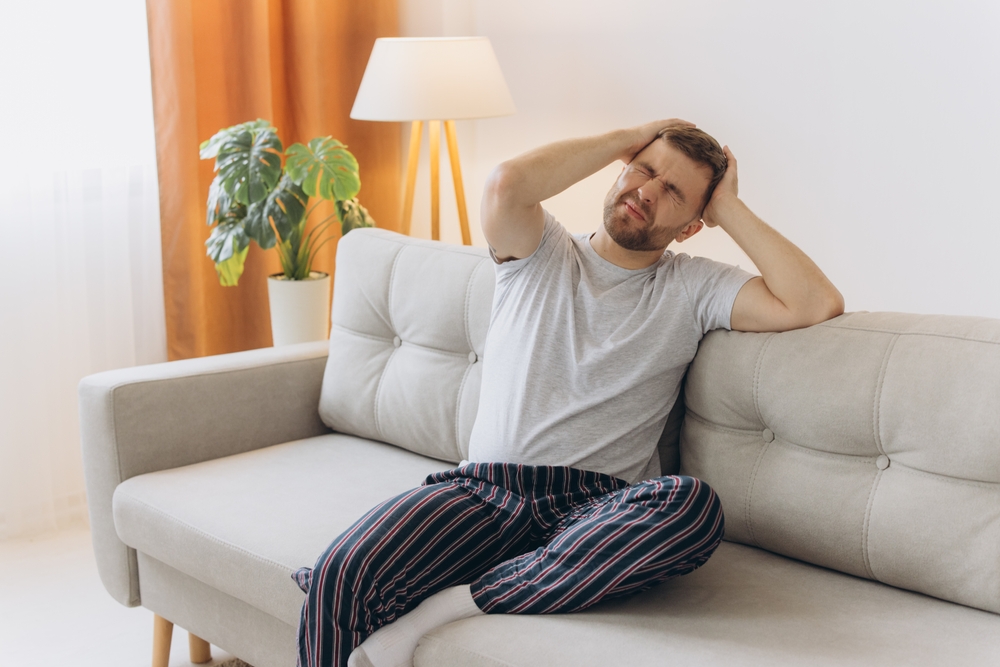
The symptoms of a ketamine overdose can range from alarming to life-threatening, and they do not always look the same from person to person. How much someone took, whether they mixed it with other substances, and their overall health all play a role in how an overdose shows up. Knowing what to watch out for could save a life.
At lower overdose levels, you might notice extreme sedation, deep confusion, or an inability to move or respond normally. The person may seem awake but be completely unresponsive to what is happening around them. This is sometimes called the K-Hole, a state where someone feels totally cut off from reality and their physical surroundings. It sounds like a trip, but medically it is a warning sign.
At higher overdose levels, things get much more serious. Loss of consciousness, dangerously slow or stopped breathing, seizures, low blood pressure, and cardiac arrest are all possible. High blood pressure spikes can also occur and create risk for stroke or heart complications.
If you see someone struggling to breathe, having a seizure, or completely unresponsive after using ketamine, call emergency services immediately. Do not wait to see if they improve on their own.
Why Do People Abuse Ketamine?
Understanding why people misuse ketamine helps explain why overdose happens in the first place. At lower doses, the effects of ketamine include a dream-like state, euphoria, and a feeling of floating outside your body. For many people, that experience is the appeal. It offers a fast, intense escape from stress, emotional pain, or just the pressure of daily life.
Some people also use ketamine because of its reputation as a party drug. It is relatively short-acting, which makes it feel more manageable than other substances. But that perception of control is misleading. Because tolerance builds, people often take more over time to get the same effect, and that is exactly how high doses become the new normal.
There is also growing awareness of ketamine’s use in treating treatment resistant depression. While medically supervised ketamine therapy is a legitimate and carefully monitored option, some people try to recreate those effects on their own. Self-medicating without clinical guidance is dangerous and dramatically increases the risk of misuse, dependency, and overdose.
What to Do in Case of Ketamine Overdose
If you think someone is overdosing on ketamine, the first thing to do is call for help right away. A ketamine overdose is a medical emergency, and there is no reversal drug for it the way Narcan works for opioids. Medical teams provide supportive care, which means monitoring breathing, stabilizing the heart, and managing symptoms as they appear.
While you wait for help, stay with the person. Do not leave them alone. If they are unconscious but still breathing, roll them onto their side to prevent choking if they vomit. Keep them as calm and still as possible and watch their breathing closely.
Be honest with emergency responders about what the person took and how much, including any other substances involved. That information is not used to get anyone in trouble. It helps medical staff make faster, better decisions that could save the person’s life. Every minute matters in an overdose situation.
Ketamine Addiction and Treatment
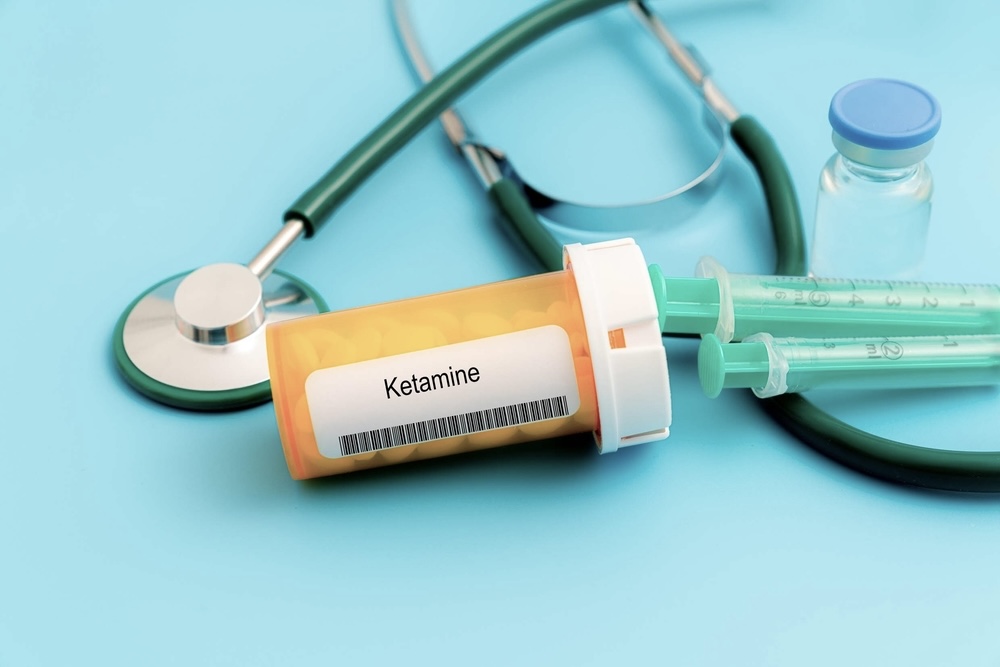
Ketamine addiction is real, and the long-term effects of heavy use go beyond just the risk of overdose. The dissociative effects that make it appealing recreationally become harder and harder to turn off the longer someone uses. Regular misuse can cause serious health issues including bladder damage, memory problems, and psychological dependence.
Treatment for ketamine addiction typically includes medically supervised detox, behavioral therapy, and ongoing support through counseling or group programs. Because ketamine affects mood and perception so strongly, addressing the underlying reasons someone uses is a critical part of recovery. Many people turn to ketamine to cope with anxiety, trauma, or depression, and those issues need real attention in treatment.
The good news is that recovery is possible. People do get sober from ketamine and go on to live full, healthy lives. But it takes professional help, not willpower alone. The health risks and side effects of continuing to use far outweigh the temporary relief the drug provides, and getting help sooner rather than later makes recovery a lot more manageable.
Find Ketamine Rehab Near Los Angeles, CA
Ketamine misuse is serious, and the risks are not always obvious until something goes wrong. Whether you are dealing with pre-existing health conditions that make use more dangerous, or just using recreationally, the pattern of addiction is hard to break without support. Understanding the dangers is the first step, but getting professional help is what actually creates lasting change.
Harmony Place is a trusted drug and alcohol rehab near Los Angeles, CA that offers personalized, evidence-based care for people struggling with substance use, including ketamine addiction. We understand the physical and emotional side of recovery and provide the kind of structured support that makes a real difference.
If you or someone you love needs help, reach out to Harmony Place today.