You had a few drinks last night but now you realize that you have a urine test coming up today. You are wondering if the alcohol is still in your system and whether it will show up on the test results. This is one of the frequently asked questions about alcohol use for people who need to undergo a test, whether it is for a job, a court requirement, or a sober living program.
Drug and alcohol testing has become a standard part of many settings. Urine testing in particular is one of the most widely used methods because it is simple, non-invasive, and can pick up on recent use. Understanding how these tests work and what they can detect helps you make informed decisions about your health and your situation.
So how long does alcohol stay in your system and show up on a urine test? The answer depends on what kind of test is being used. A standard urine test can typically detect alcohol for 12 to 24 hours after your last drink. But advanced tests that detect alcohol byproducts in the body can pick up traces of alcohol use for up to 72 to 120 hours or even longer in some cases.
Can You Detect Alcohol from a Urine Test?
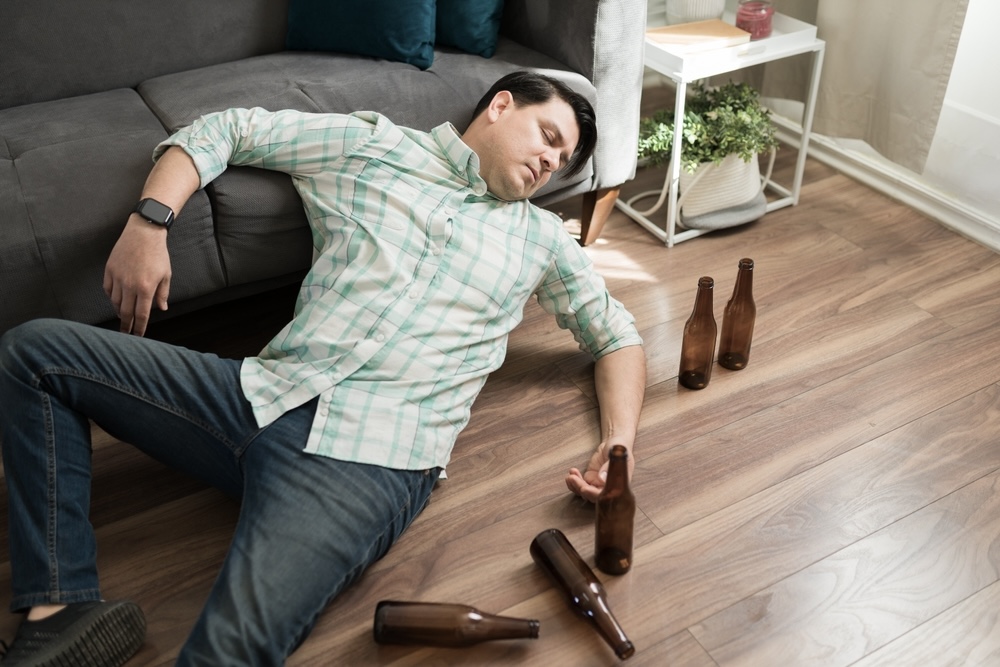
Yes, alcohol can be detected through a urine test, and it is one of the most common ways to confirm recent alcohol use. There are two main types of urine tests used for this purpose. Standard tests look for ethanol, the actual alcohol in beverages, while advanced tests like EtG and EtS look for metabolites, which are the byproducts your body produces as it breaks down alcohol. The advanced tests have a much longer detection window, which makes them harder to beat just by waiting a few hours.
Urine testing is used across a wide range of settings. Law enforcement may use it alongside a breath test when investigating suspected impaired driving. Employers use it for workplace screening, especially in safety-sensitive industries. Courts and probation programs rely on it to monitor whether someone is staying sober as ordered.
Rehab programs and sober living houses use it regularly to support accountability and track progress in recovery. In each of these settings, the goal is the same: objective evidence of whether alcohol has been used recently.
What Affects the Length of Time Alcohol Is Detected in Urine?
Several factors influence how long alcohol remains detectable in your urine, and no two people process alcohol exactly the same way. The body processes alcohol differently based on individual biology, drinking habits, and overall health. Understanding these variables can help explain why one person might test clean faster than another, even after drinking the same amount.
Here are the key factors that affect how long alcohol stays detectable:
Metabolism
People with faster metabolisms eliminate alcohol more quickly. Your metabolic rate affects how fast your liver can break down alcohol and clear it from your body.
Liver and Kidney Function
Your liver does most of the work breaking down alcohol, and your kidneys filter it out through urine. If either organ is not functioning well, alcohol can linger longer in your system.
Sex
Women generally have less of the enzyme that breaks down alcohol and tend to have a higher blood alcohol concentration (BAC) than men after drinking the same amount, which can extend detection time.
Age
As you get older, your body processes alcohol more slowly. Older adults may retain detectable blood alcohol levels in their urine for a longer period than younger people.
Amount Consumed
The more you drink, the longer it takes your body to fully process it. A single standard drink clears much faster than a night of heavy drinking.
Can You Still Detect Alcohol from a Urine Test Even if I’m Already Sober?
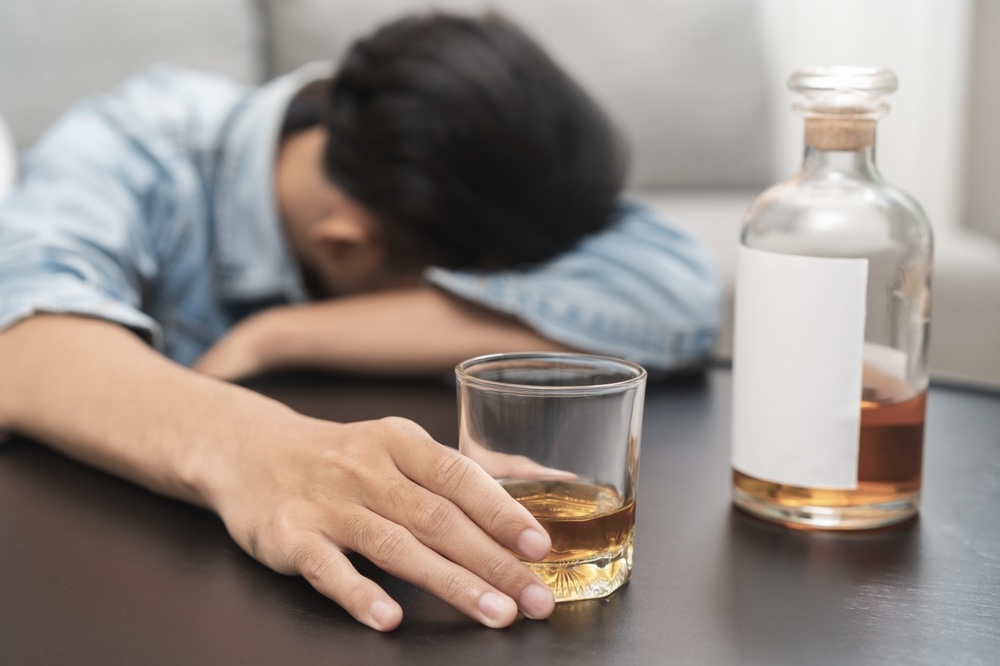
Yes, and this surprises a lot of people. Just because you feel sober does not mean alcohol has fully cleared your system. Standard urine tests can detect alcohol for up to 24 hours after your last drink, even if you feel completely fine.
If an advanced EtG or EtS test is used, alcohol metabolites can remain detectable for 72 hours or more, and sometimes up to five days after heavy drinking episodes.
Feeling sober is about how you feel physically and mentally, but blood tests and urine tests measure what is actually happening at a chemical level in your body. The body can only process about one standard drink per hour, and that rate does not speed up with coffee, water, or sleep. If you are a few hours after your last drink but still within that detection window, a test can and likely will come back positive. The only thing that clears alcohol from your system is time.
This matters especially if you are in a program with regular testing. A positive result can affect your standing in a sober living house, a court-mandated program, or a treatment plan. If you slipped up, it is always better to be honest than to hope the test misses it.
Find Alcohol Rehab Near Los Angeles, CA
Whether you are facing testing concerns, trying to understand your drinking better, or realizing that alcohol has become something you cannot easily control, these are all signs worth taking seriously. With alcohol abuse being a leading cause of preventable death in the United States, getting professional help early can save your life.
Harmony Place is a trusted drug and alcohol rehab near Los Angeles, CA that provides personalized, evidence-based care for people ready to address their relationship with alcohol. We offer a full range of treatment options in a supportive environment designed around long-term recovery. If you or someone you love is ready to take that step, reach out to Harmony Place today.