

Anthem Blue Cross Permanente Coverage for Dual Diagnosis Rehab in California
Harmony Place oversees premier integrated treatment centers and accepts Anthem Blue Cross Insurance coverage in California, focusing on extensive substance abuse and mental health services. Additionally, if you’re dealing with mental health and addiction issues at the same time, we offer dual diagnosis support and accept Anthem Blue Cross dual diagnosis coverage.
If you’re looking for dual diagnosis treatment in California, contact us at Harmony Place. Our skilled team can verify your co-occurring disorder treatment coverage. We collaborate with various companies offering insurance for mental health and addiction in California, including Anthem Blue Cross, to help cover the costs of dual diagnosis therapy. Here, you’ll find out how to access top-notch Anthem Blue Cross substance use disorder treatment and the related expenses for co-occurring treatment programs.
What Does It Mean to Have a Co-Occurring Disorder or Dual Diagnosis?
Having a co-occurring disorder or dual diagnosis describes a circumstance where you are simultaneously managing both a mental health and addiction problem. These comorbid conditions influence and often exacerbate each other, complicating diagnosis and treatment and requiring a coordinated, specialized approach to care.
If you’re facing dual diagnosis, you might struggle with challenges like depression, anxiety, bipolar disorder, or PTSD alongside substance addiction. Since each condition can intensify the symptoms of the other, effective treatment must address both issues simultaneously rather than separately. Integrated behavioral health treatment for co-occurring disorders typically incorporates evidence-based therapies, medication management, and supportive services. This comprehensive approach helps you achieve mental health stability while also supporting recovery from substance abuse, increasing your chances of long-term success.
If you want to learn more about our dual diagnosis facilities, contact us at Harmony Place. If you’re not an insurance adjuster or actuary, navigating the complexities of your insurance benefits may involve specialized terminology that can be confusing. Policies typically include intricate terms such as underwriting, reinsurance, subrogation, indemnity, settlement, endorsement, exclusions, and umbrella policy, which aren’t commonly used in daily conversation. Our knowledgeable team will review your policy benefits and prior authorization requirements to ensure you’re not at risk of financial loss.
What Makes Dual Diagnosis Programs Distinct from Standard Addiction Treatment?
Dual diagnosis treatment differs from traditional rehabilitation by addressing both substance use and mental health issues simultaneously. This integrated approach ensures that treatment plans consider the root causes of addiction and mental illness together, improving long-term recovery outcomes and reducing the likelihood of relapse.
Unlike conventional rehab, which may focus solely on substance abuse, dual diagnosis support includes comprehensive assessments, tailored therapies, dual diagnosis counseling, and collaboration between addiction specialists and mental health professionals. This may involve evidence-based methods such as Cognitive Behavioral Therapy (CBT), trauma-informed care, and medication management tailored to your specific needs.
Additionally, dual diagnosis support programs often provide ongoing aftercare, relapse prevention strategies, and support networks to help you manage comorbid conditions over the long term. By emphasizing the connection between mental health and addiction, these programs offer a more holistic dual diagnosis care and a lasting recovery. Contact our Anthem Blue Cross rehab centers in California to learn more about our co-occurring treatment programs.
Discover the Unique Qualities That Make Los Angeles a Treatment Destination
Los Angeles sets itself apart with a dynamic blend of entertainment, culture, and natural beauty, creating a distinct identity that differentiates it from other American cities. From the star-studded Walk of Fame to the sunny shores of Venice Beach, LA presents an extraordinary fusion of Hollywood glamour and coastal peace.
The varied neighborhoods, vibrant artistic hubs, and consistently sunny climate make it a global entertainment hub and a rich repository of diverse experiences. Nature enthusiasts can explore the trails of Griffith Park and take in sweeping city views, while art lovers can immerse themselves in the esteemed collections at the Getty Center. Food explorers will find everything from high-end dining on Rodeo Drive to authentic street tacos in East L.A. Whether watching a sunset in Malibu, attending a live show in the Arts District, or strolling along historic Olvera Street, Los Angeles continually proves why it’s a destination like no other.
Details About Anthem Blue Cross Health Insurance
Anthem Blue Cross ranks among the largest health insurance companies in the U.S., providing a variety of plans for individuals, families, and businesses. Recognized for its vast provider network and thorough coverage choices, Anthem supports millions with high-quality healthcare services. Its plans cater to diverse needs, ranging from preventive care to specialized medical treatments.
Anthem is also committed to delivering value through innovative programs, digital tools, and wellness initiatives that help you manage your health more efficiently. With options covering medical, dental, vision, and mental health services, Anthem aims to make healthcare both accessible and cost-effective.
Our Anthem Blue Cross rehab centers in California offer comprehensive recovery solutions for dual diagnosis recovery. If you require assistance confirming your Anthem Blue Cross behavioral health benefits, contact us at Harmony Place. Our unified care strategy can support you through our comprehensive dual diagnosis care.
Overview of Anthem Blue Cross’s Benefits
Anthem Blue Cross provides an array of benefits to meet various healthcare requirements. Anthem Blue’s dedication to your health and wellness is evident in its extensive coverage options, which encompass holistic mental health treatment, integrated behavioral health therapies, and dual diagnosis interventions. When insured, here are some of the perks that come with Anthem Blue Cross behavioral health benefits:
Wide Provider Network
You can choose from a broad array of physicians, specialists, and hospitals nationwide, making it easy to find in-network services.
Preventive Healthcare Services
Numerous plans include screenings, vaccinations, and wellness examinations at no extra charge, promoting early detection and prevention of health conditions.
Medication Coverage
Anthem offers several prescription medication plans, featuring access to preferred pharmacies and mail-order options for convenience and cost efficiency.
Virtual Care Options
You have access to online healthcare consultations for non-urgent medical concerns, enhancing the availability of care anytime, anywhere.
Mental Health Services
The coverage encompasses therapy, counseling, and other mental health rehabilitation services to promote overall wellness.
Health and Fitness Programs
Anthem provides incentives, health coaching, and resources to motivate healthy lifestyle decisions.
We Will Check Your Anthem BCBS Insurance for Dual Diagnosis Treatment
Does Anthem Blue Cross Cover Dual Diagnosis Treatment Programs in California?
Anthem Blue Insurance coverage in California frequently extends to dual diagnosis treatment programs, depending on your policy specifics. Anthem Blue Cross behavioral health benefits include an integrated care approach to substance use and mental health treatment, which will help you achieve a holistic recovery. Coverage can vary, so verifying your benefits is essential.
Our coexisting disorders treatment focuses on addressing mental health and addiction disorders at the same time with personalized, evidence-based care. Contact us at Harmony Place, and we can verify your Anthem Blue Cross dual diagnosis coverage. Even with Anthem Blue Cross Insurance coverage in California, you might still be responsible for certain costs, such as premiums, copayments, and deductibles, when treating comorbid conditions.
What Types of Dual-Diagnosis Care Does Anthem Blue Cross Offer in the Los Angeles Region?
California offers several alternatives for dual diagnosis treatment, which Anthem Blue Cross covers. Numerous Anthem Blue Cross rehab centers in California, including Harmony Place, provide dual diagnosis interventions like integrated behavioral health therapy, counseling, and medical support to tackle the underlying causes of co-occurring disorders.
While this isn’t a complete list, here are some treatment options available through Anthem Blue Cross behavioral health benefits:
Co-Occurring Alcohol Rehab in California
Programs for alcohol recovery that address co-occurring disorders are ideal if you’re struggling with alcohol dependency alongside mental health challenges like anxiety, depression, or PTSD. These comprehensive, holistic recovery programs integrate medical detox, individual and group dual diagnosis therapy, and psychiatric care to treat both issues at the same time.
Anthem Blue Cross alcohol rehab coverage in California frequently covers co-occurring alcohol recovery, as it is considered crucial medical care for both substance use and mental health problems. Anthem Blue, like other insurers, typically provides treatment for comorbid conditions under behavioral health coverage, which can reduce your costs if you meet the eligibility criteria.

Co-Occurring Substance Abuse Rehab in California
Dual-diagnosis substance abuse treatment addresses addictions to substances such as opioids, cocaine, meth, cannabis, or prescription drugs while simultaneously managing a mental health condition. This approach usually includes detox, dual diagnosis therapy, counseling sessions, and medication oversight to ensure comprehensive care.
Anthem Blue Cross Insurance for mental health and addiction in California frequently includes coverage for dual-diagnosis substance abuse rehab, since tackling both the mental health and addiction components is essential for long-term recovery. Anthem drug use coverage is accepted at Harmony Place rehab center along with many other substances.
Co-Occurring Mental Health Therapy in California
Simultaneous mental health therapy assists if you need help with both substance use and mental health issues at the same time. These dual-diagnosis treatment programs may include integrated care approaches, like Cognitive-Behavioral Therapy (CBT), psychological evaluations, medication management, and group meetings designed for complete dual-diagnosis recovery.
Anthem Blue Cross usually covers this type of therapy because addressing both problems concurrently reduces the likelihood of relapse and improves overall health outcomes. This ensures that you meet the medical necessity criteria and can access specialized dual-diagnosis treatment.
Is Online or Telehealth Dual-Diagnosis Care Available in California?
In California, there are online options for dual-diagnosis treatment that allow you to receive thorough care for both mental health and addiction issues from the comfort of your own home. These telehealth co-occurring treatment programs usually provide dual diagnosis counseling, psychiatric support, relapse prevention techniques, and wellness advice via secure video conferencing platforms.
Online dual-diagnosis treatment can be especially beneficial if you face mobility challenges, have busy schedules, or are concerned about privacy. Many Anthem Blue Cross rehab centers in California now offer fully virtual or hybrid programs, providing access to licensed professionals and effective care methods without needing in-person attendance, while still offering personalized treatment plans and continuous support.
If you need help deciphering whether your Anthem Blue Cross behavioral health benefits cover virtual options for comprehensive dual diagnosis care, contact us at Harmony Place. We can assist you in understanding your financial liability and navigating the health insurance claims process.
What Conditions Most Often Appear Together in Dual Diagnosis Treatment?
Dual diagnosis refers to the concurrent existence of substance use and mental health disorders. Certain conditions often appear together due to shared risk elements such as genetics, trauma, and environmental pressures. By identifying the most prevalent combinations, Anthem Blue Cross rehab centers in California, such as Harmony Place, can help create more targeted and effective treatment plans.
Substance Use Disorders (SUD)
Substance Use Disorders (SUDs) are a crucial component of dual diagnosis. They occur when the misuse of drugs or alcohol leads to significant impairment, distress, or health problems. These disorders can range from mild to severe and often require professional intervention to address both the physical dependency and the root causes.
Alcohol Use Disorder (AUD) is one of the most common SUDs in dual diagnosis cases, often accompanied by depression or anxiety. Opioid use disorder, involving prescription pain relievers or illegal drugs like heroin, has also seen an increase in recent years, frequently coexisting with PTSD or mood disorders. Cocaine use disorder is another high-risk condition, sometimes linked to bipolar disorder due to the drug’s stimulating effects.
Methamphetamine use disorder is infamous for its serious mental health repercussions, including paranoia and psychosis, which can exacerbate existing psychiatric issues. Cannabis use disorder, although often perceived as less harmful, can still exacerbate anxiety or depression. Misuse of prescription medications—such as sedatives, stimulants, or anti-anxiety drugs—can also develop into full-blown SUDs, particularly if you’re self-medicating for mental health symptoms, which can lead to dependency.
Mental Health Disorders
Mental health challenges form the second key aspect of a dual diagnosis, and your symptoms can often lead you to seek substances as a means of self-medication. Unfortunately, this coping strategy frequently worsens both issues over time. Depression is usually linked to alcohol or drug misuse, as you might turn to these substances to alleviate sadness and hopelessness temporarily.
Anxiety disorders—such as generalized anxiety disorder and panic disorder—can also prompt you to misuse alcohol, cannabis, or prescription tranquilizers for brief relief. Bipolar disorder is closely tied to stimulant misuse, since during manic phases, you might pursue drugs like cocaine or methamphetamine to prolong your energy and euphoria.
Schizophrenia presents a particularly intricate problem, as symptoms like hallucinations and paranoia can intensify with substance use. Post-Traumatic Stress Disorder (PTSD) is often connected with alcohol or opioid misuse, as you might use substances to numb intrusive memories or emotional pain. Obsessive-Compulsive Disorder (OCD) and borderline personality disorder can also intersect with substance use disorders, making treatment and recovery more complex.

Co-occurring Disorders
When substance use and mental health issues happen together, they are called co-occurring disorders. These combinations are not by chance—shared risk factors such as trauma, brain chemistry, and life stressors often play a major role in the development of comorbid conditions.
Depression and alcohol dependency are a well-known duo, with alcohol offering short-lived relief from symptoms but ultimately worsening depressive bouts. Anxiety and opioid dependence often arise when painkillers are used to handle both physical discomfort and emotional distress. Bipolar disorder and cocaine use present another risky pairing, as cocaine’s stimulating effects can intensify manic phases.
PTSD and substance misuse, especially involving alcohol or tranquilizers, frequently surface when attempting to quell flashbacks or anxiety. Schizophrenia combined with drug use—like cannabis or methamphetamine—can severely disrupt functioning and heighten the risk of hospitalization. Successfully addressing these co-occurring disorders necessitates an integrated care approach that tackles both problems simultaneously for optimal recovery results.
Addiction and Mental Health Treatment Centers in California That Accept Anthem Blue Cross
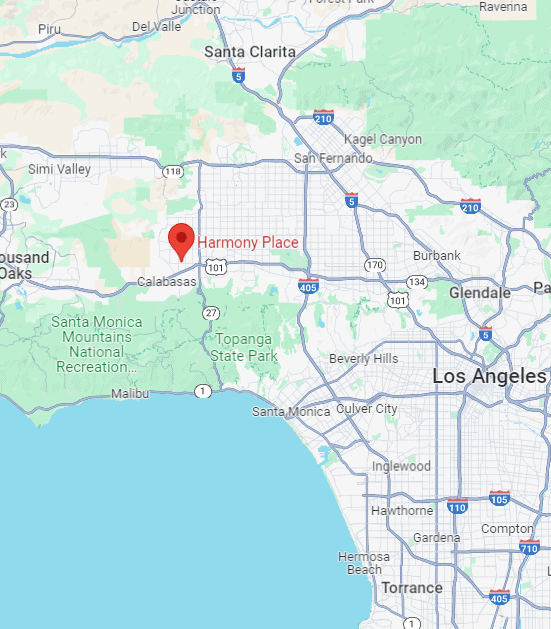
Harmony Place’s Anthem Blue Cross rehab centers in California focus on extensive dual diagnosis treatment. Our Woodland Hills locations offer programs for comorbid conditions. As a provider accepting Anthem Blue Cross dual diagnosis coverage, we deliver accessible and cost-effective options for managing comorbidities. To learn more about your insurance benefits and begin your holistic recovery, call (855) 652-9048.
Harmony Place
23041 Hatteras St.
Woodland Hills, CA 91367
Harmony Place East
22913 Burbank Blvd.
Woodland Hills, CA 91367
What Steps Are Involved in Getting Admitted to Dual Diagnosis Care With Anthem Blue Cross in California?
At Harmony Place, the admissions process for dual diagnosis therapy covered by Anthem Blue typically begins with a complimentary, initial assessment. During this phase, our team evaluates your substance use and mental health concerns to determine the most appropriate level of care. You will need to provide your medical background, insurance information, and any previous treatment records.
Once your Anthem Blue Cross dual diagnosis coverage is verified, our experienced team will help you with the intake procedure, which includes completing necessary paperwork, scheduling appointments, and familiarizing you with the guidelines and expectations of our co-occurring treatment programs. Our Anthem Blue Cross rehab centers in California provide a pre-admission consultation to discuss the treatment plan, dual diagnosis therapy options, and support services. After confirming insurance coverage, you can smoothly transition into the suitable level of care without putting yourself in peril of financial instability.
How Much Does Dual Diagnosis Rehab Typically Cost With Anthem Blue Cross Coverage in California?
The usual monthly cost for dual diagnosis treatment in California varies based on the level of care and the type of dual diagnosis facility. Inpatient programs can range from $10,000 to $30,000 for a 30-day stay. With Anthem Blue Cross insurance coverage in California, you can significantly reduce out-of-pocket expenses.
Anthem Blue Cross behavioral health benefits often include coverage for dual diagnosis treatment in California. However, the extent of your coverage depends on your policy, and elements such as deductibles, copays, and coinsurance rates can influence the overall cost. It is essential to check your benefits to understand your financial responsibilities. Contact us at Harmony Place to confirm your Anthem Blue Cross dual diagnosis coverage.
Steps to Confirm Anthem Blue Cross Coverage for Dual Diagnosis Treatment Near Los Angeles
Checking your Anthem Blue Cross dual diagnosis coverage near Los Angeles is an easy process. Anthem Blue Cross frequently covers treatment for coexisting disorders, though the level of coverage can vary according to your specific plan. To understand your benefits thoroughly, it’s essential to review your coverage before beginning treatment.
If you require assistance verifying your Anthem Blue Cross Insurance coverage in California, contact us at (855) 652-9048 or fill out our online confirmation form. Our team is prepared to guide you through the process, explain your benefits, and address any inquiries about our extensive dual diagnosis recovery services.

- Anthem (Elevance) BCBS Addiction Counseling
- Anthem Blue Cross Alcohol Rehab
- Anthem (Elevance) BCBS Cocaine Rehab
- Anthem BCBS Drug Rehab Los Angeles
- Anthem BCBS Detox Los Angeles
- Anthem Blue Cross Meth Rehab
- Anthem BCBS IOP Treatment LA
- Anthem BCBS PHP Treatment LA
- Anthem (Elevance) BCBS Residential Rehab
- Anthem BCBS Suboxone Rehab LA
- Anthem (Elevance) BCBS Couples Treatment
- Anthem BCBS Heroin Treatment Los Angeles
- Anthem (Elevance) BCBS of California
- Anthem BCBS Rehab of Colorado
- Anthem BCBS Rehab Nevada
Statistics on Co-occurring Disorders in California
- The California Health Care Foundation reported that in 2019, almost 60% of California’s SUD treatment facilities provided treatment for comorbid conditions. Furthermore, in 2021, approximately 500,000 Californians were identified with a dual diagnosis.
- The Kaiser Family Foundation (KFF), a nonprofit located in San Francisco, California, highlighted that adults in need of comprehensive dual diagnosis care in California encountered significant barriers, especially those without insurance, with insufficient coverage, and from minority communities. In 2022, 28.5% of adults in California who exhibited symptoms reported requiring treatment but not receiving it.
- According to the National Alliance on Mental Illness in California, 9.5 million adults in the U.S. had both mental health and addiction issues in 2019.
- According to the Journal of the American Medical Association, approximately 50% of individuals diagnosed with severe mental health issues also struggle with Substance Use Disorders (SUDs), highlighting the need for thorough dual diagnosis treatment.
- The Substance Abuse and Mental Health Services Administration’s 2022 National Survey on Drug Use and Health found that 21.5 million adults in the U.S. experience co-occurring disorders.