
Residential Drug and Alcohol Treatment with Harvard Pilgrim Health Care Insurance
Harmony Place provides transformational drug addiction and alcoholism recovery. Our in-house care accepts a wide range of insurance plans, including residential addiction treatment with HPHC in Los Angeles, California. Our inpatient facilities provide medical care during detoxification, residential rehabilitation, and dual diagnosis treatment to support your path to sobriety.
If you need assistance verifying your coverage for HPHC inpatient drug rehab, call us. We may work with Harvard Pilgrim Health Care to ensure our intensive care is accessible. This page explains the type of care you can expect at HPHC inpatient rehab locations, where to find Los Angeles rehab centers that accept HPHC, and how to access residential addiction rehab with HPHC. It also outlines the costs associated with HPHC inpatient alcohol rehab and drug addiction recovery.
What Is an Addiction to Drugs and Alcohol?
An addiction to drugs and alcohol represents a persistent brain disorder marked by the uncontrollable consumption of these substances, despite adverse outcomes. It modifies your brain’s chemistry, resulting in physical reliance, mental cravings, and a loss of control over your usage.
As time passes, this dependency impacts almost every facet of your life—your well-being, relationships, employment, and emotional balance. It might start with recreational use or prescribed medications, but it often escalates as you build tolerance, needing more of the substance to feel the same effects. Without expert intervention and support, your addiction could lead to serious physical and mental health issues.
However, recovery is entirely achievable through evidence-based treatment and ongoing support networks. If you’re struggling with drug addiction or alcoholism, contact us at Harmony Place. Our free assessment will help us determine the best long-term or acute care for your specific situation, particularly if it involves our elite residential treatment.
What Is an Inpatient or Residential Rehab Program in Los Angeles, California?
An inpatient or residential rehab program in Los Angeles, California, offers a structured environment, like hospitalization, where you can stay full-time to overcome drug or alcohol dependency. These inpatient care programs ensure round-the-clock medical care, therapeutic support, and a secure setting so you can concentrate entirely on recovery and achieving lasting sobriety.
While undergoing a hospital stay or receiving prolonged medical attention, you will engage in a variety of scientifically supported treatments, health monitoring, and comprehensive recovery initiatives. You’ll reside on-site, in a hospital-care setting, away from everyday triggers and stress, allowing you to develop healthy habits and coping mechanisms. For more information on inpatient and residential treatment programs, contact us at Harmony Place.
Statistics for Residential Rehab in Los Angeles, CA
In Los Angeles County, around 1.48 million people might be facing challenges with drug addiction or alcoholism, illustrating the significant impact of substance abuse where you live. In 2023, the county saw 3,092 deaths due to drug overdoses or poisoning. Fortunately, 2024 brought a decrease to 2,438 deaths, marking the most notable drop in overdose-related fatalities in LA County’s history.
These numbers highlight both the ongoing struggles and the potential success of targeted efforts to save lives. From a financial perspective, Los Angeles County spent $339 million in the 2022–2023 fiscal year on programs designed to prevent and treat addiction. In contrast, dealing with the repercussions of substance abuse costs the county $19.5 billion, showing the urgent need for stronger preventive strategies.
On a statewide level, California earmarked $3.3 billion in 2024 for building mental health and addiction treatment facilities, while 2022 recorded 11,279 deaths across the state from unintentional and unspecified overdoses. These figures stress the importance of expanding access to residential rehab programs and comprehensive treatment services to lessen both human and financial burdens.
What Is the Difference Between Inpatient Rehab and Residential Rehab?
You may often hear ‘inpatient rehab’ and ‘residential rehab’ mentioned as if they’re the same, but there are important distinctions. Inpatient rehab involves treatment under medical supervision within a hospital or clinical setting, centering on immediate care and managing withdrawal symptoms.
Residential rehab, however, focuses on long-term living arrangements in a non-hospital environment, offering continuous therapy and support throughout your recovery. In a residential rehab program, you would typically experience a more immersive setting, residing on-site for several weeks or months. During this time, you would participate in one-on-one and group therapy sessions, life skills workshops, and recreational activities.
On the other hand, inpatient rehab often has a shorter timeframe, concentrating on medical stabilization and close monitoring during the early phase of your recovery. Both types of rehab aim to help you achieve lasting sobriety, but choosing between them depends on how severe your addiction is, your medical needs, and your personal preferences regarding treatment style and setting. If you have questions about inpatient rehab versus residential rehab, contact us at Harmony Place.

About Harvard Pilgrim Health Care
Harvard Pilgrim Health Care is a nonprofit provider of health insurance catering to you, your family, and employers throughout the northeastern United States. Founded in 1969, HPHC is recognized for delivering high-quality, cost-effective health plans that prioritize preventive care, wellness initiatives, and access to an extensive network of reliable providers and hospitals.
HPHC is part of the Point32Health family, formed by merging Harvard Pilgrim Health Care with Tufts Health Plan. This alliance enables HPHC to offer innovative healthcare solutions, personalized assistance, and increased flexibility for you. Its dedication to fostering collaboration among patients, providers, and communities has established it as a respected leader in managed care and health insurance. If you need assistance locating Los Angeles rehabs that accept HPHC, contact us at Harmony Place
Info on HPHC Plans and Policies
Harvard Pilgrim Health Care offers a range of personal health plans and employer-sponsored policies tailored to meet diverse lifestyle and financial needs. Its selection of health insurance offerings includes HMO, PPO, and POS plans, along with Medicare Advantage and options accessible through the health insurance marketplace:
- HMO Plans:
Deliver all-encompassing coverage with access to a local network of doctors and hospitals. You must choose a primary care physician to coordinate your care and referrals.
- PPO Plans:
Provide greater flexibility in selecting healthcare providers, including coverage for out-of-network services at an increased cost. Perfect if you’re seeking fewer limitations.
- POS Plans:
Merge features of HMO and PPO plans, enabling you to opt for in-network and out-of-network care while keeping lower out-of-pocket expenses when using network services.
- Medicare Advantage Plans:
Crafted for eligible seniors, these plans encompass medical, hospital, and often prescription drug coverage, along with extra wellness perks.
- Employer and Group Plans:
Adjustable options for businesses of all sizes, focusing on preventive care, employee wellness initiatives, and cost management.
- Individual and Family Plans:
Cost-effective coverage choices that include preventive services, telehealth access, and wellness support if you’re purchasing insurance on your own.
We Will Check Your HPHC Insurance Coverage for Residential Rehab
What Addictions Does Residential Rehab Work to Treat Covered by Harvard Pilgrim Health Care?
Residential rehab programs covered by Harvard Pilgrim Health Care are crafted to tackle various substance abuse issues in an organized, healing environment. These programs provide round-the-clock medical attention, therapy, and recovery assistance if you’re battling addiction to some of these dangerous substances:
Inpatient Opioid Facility
Harvard Pilgrim usually includes coverage for inpatient opioid rehabilitation programs designed to assist you in overcoming reliance on substances such as oxycodone, hydrocodone, and morphine. These centers offer medically supervised detoxification, counseling, and strategies to prevent relapse, helping you manage withdrawal symptoms and lower the chances of relapsing.
Inpatient Prescription Drug Facility
If you’re struggling with a dependency on prescription drugs like benzodiazepines, stimulants, or pain relievers, inpatient treatment centers provide thorough care. They offer therapy focused on behavior, medication supervision, and education to tackle both the physical and mental components of addiction.
Inpatient Alcohol Facility
Inpatient alcohol rehabilitation centers concentrate on helping you manage alcohol withdrawal safely while offering ongoing recovery assistance. Harvard Pilgrim’s coverage frequently encompasses detox, counseling, and group therapy focused on developing coping skills. If you are combating co-occurring mental health disorders, your policy may also provide coverage for HPHC mental health residential treatment.
Inpatient Cocaine Facility
In residential rehab centers, your treatment for cocaine addiction includes immersive therapy sessions, cognitive-behavioral strategies, and education on preventing relapse. These programs focus on helping you create new coping skills and address the emotional or psychological factors that may have triggered your addiction.
Inpatient Heroin Facility
Heroin residential addiction treatment with HPHC offers around-the-clock medical care, supervision, and assistance for you during heroin detox. Harvard Pilgrim inpatient rehab locations and centers frequently cover Medication-Assisted Treatment (MAT), like buprenorphine or methadone, along with counseling and behavioral therapy.
Inpatient Meth Facility
Inpatient methamphetamine treatment programs provide a structured setting where you can safely recover from the drug’s powerful effects. These programs usually include therapy, education, and strategies to prevent relapse, assisting you in restoring cognitive and emotional stability throughout your recovery.
Inpatient Fentanyl Facility
Given fentanyl’s strong effects and significant overdose danger, you should consider inpatient rehab centers that offer medical detox and ongoing care. Harvard Pilgrim often covers treatments based on evidence, as well as monitoring, to help you withdraw safely, manage cravings, and achieve lasting recovery.

Does HPHC Insurance Cover Residential Rehab in California?
Your Harvard Pilgrim Health Care insurance often covers residential rehabilitation in California if it’s considered medically necessary. Your plan usually includes benefits for substance use disorders, mental health issues, and dual diagnosis treatment as part of your behavioral health coverage, depending on your specific policy and the level of care you need.
HPHC collaborates with networks and facilities that offer evidence-based inpatient and residential treatment programs, such as HPHC detoxification, therapy, and long-term recovery support. You might need to get prior authorization or undergo a clinical assessment before being admitted.
We know how tricky it can be to make sense of insurance paperwork if you’re not an insurance adjuster or an actuary, particularly when you’re dealing with words like underwriting, liability, and risk. When insured, policies frequently mention reinsurance, indemnity, and subrogation clauses, along with endorsements, exclusions, and umbrella policies that influence how your settlement is managed after you file a claim. It’s crucial to review your plan details or contact us at Harmony Place to verify your coverage, copayments, premiums, deductibles, and the approved rehab centers available in California. Instead of putting yourself in peril of financial loss, please place your trust in us instead.
Does HPHC Cover an Inpatient Treatment Facility in Los Angeles, California?
HPHC might provide coverage for inpatient treatment facilities in Los Angeles, California, provided that the services are deemed medically necessary and the rehab center is either approved or part of the network. This coverage often includes inpatient rehabilitation for mental health and addiction, although prior authorization and plan-specific criteria, including deductibles, copays, and stay duration limits, may be required.
If you’re searching for top-notch inpatient care in Los Angeles, Harmony Place provides comprehensive, evidence-based programs for addiction and co-occurring disorders. Our skilled team is ready to assist you in verifying your HPHC insurance coverage and guide you through the approval steps. Contact us to confirm your benefits and take the first step toward lasting recovery.
Does HPHC Cover Medical Detox Programs Across Los Angeles, CA?
HPHC may cover medical detox programs across Los Angeles, CA, depending on your specific policy and the scope of your behavioral health benefits. Coverage often includes medically supervised detox as part of Substance Use Disorder (SUD) treatment when deemed medically necessary.
Harvard Pilgrim partners with nationwide networks, allowing access to certified detox and rehab centers in California. At Harmony Place, our knowledgeable staff can help confirm the extent of your insurance coverage.
Residential Rehab Center in Southern California
If you’re seeking residential addiction treatment with HPHC in Southern California, you may be eligible for comprehensive care at Harmony Place. Our intensive care programs for drugs and alcohol are crafted to aid your recovery with proven therapies and empathetic support. To check your substance abuse treatment coverage with HPHC, call (855) 652-9048.
Addiction Rehab Facility in Woodland Hills
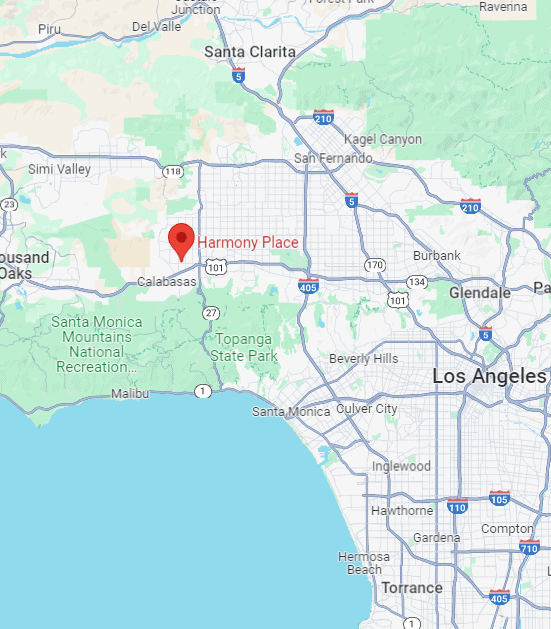
At Harmony Place, we may accept HPHC at our inpatient rehab locations in Woodland Hills, California, and offer extensive support for addiction rehabilitation. Our offerings include medical detox, residential care, and Medication-Assisted Treatment (MAT). Contact us at Harmony Place, and our committed staff will assist you in verifying your benefits and beginning treatment without delay.
Harmony Place
23041 Hatteras St.
Woodland Hills, CA 91367
Harmony Place East
22913 Burbank Blvd.
Woodland Hills, CA 91367
Finding Residential Addiction Rehab Programs Near Me
Locating a nearby residential addiction rehab program, like Harmony Place, can seem daunting, but breaking it down into manageable steps can simplify and enhance the process. A residential or inpatient rehab program provides a structured environment with 24-hour support, fostering long-term recovery. Here’s a handy guide to assist you in finding the ideal facility for your requirements:
- Identify Your Requirements
Begin by evaluating the type of assistance you require. Consider whether inpatient or outpatient care suits you best, based on the severity of your addiction, your environment at home, and any co-occurring mental health issues. Think about specific preferences, such as dual diagnosis treatment, holistic methods, or evidence-based approaches like Cognitive Behavioral Therapy (CBT) or Dialectical Behavior Therapy (DBT).
- Conduct an Online Search
Utilize search engines with specific keywords like “residential rehab near me,” “alcohol rehab center in [your city],” or “inpatient addiction treatment near [location].” Including your city or county will help focus on local options.
- Investigate Online Directories
Websites like SAMHSA’s Treatment Locator and the National Helpline provide extensive lists of licensed treatment centers across the U.S. These directories typically include details about treatment types, accepted insurance, and facility accreditation.
- Confirm Insurance Coverage
Contact your health insurance provider to determine which facilities are in-network. This can significantly cut down your out-of-pocket expenses. Many rehab centers, like Harmony Place, can check your insurance benefits directly and offer cost estimates before patient admission.
- Confirm Accreditation and Licensing
Ensure the rehabilitation facility is accredited by reputable organizations, such as CARF (Commission on Accreditation of Rehabilitation Facilities) or The Joint Commission. Accreditation ensures the center adheres to high standards of safety, care, and professionalism.
- Examine Feedback and Testimonials
Review online reviews and testimonials from past patients or their families. Websites like Google Reviews, Yelp, and healthcare-specific review sites can provide valuable insights into the facility’s atmosphere, staff, and overall quality of care.
- Reach Out and Compare Facilities
Contact several rehab centers directly. Inquire about treatment philosophy, program duration, staff credentials, therapy options, and aftercare planning. This will help you find the facility that best matches your recovery goals.
- Arrange a Visit to the Facility
If you can, arrange a tour. Visiting will allow you to observe the environment, meet the staff, and get a feel for the community and living arrangements. Comfort and safety are crucial for a successful recovery.
Does HPHC Cover Addiction Counseling and Therapy During Residential Treatment?
In many cases, HPHC does provide coverage for addiction counseling and therapy during residential treatment. The specifics depend on your health plan, provider network, and whether the services are deemed medically necessary. HPHC mental health residential care and services include therapy, online mental health options, and support for substance abuse.
Before scheduling services, check your plan documents or contact us at Harmony Place to verify your HPHC inpatient drug rehab coverage for counseling and therapy sessions. This includes cost-sharing details and any prior authorization requirements.
Does HPHC Cover Prescribed Medications During Residential Rehab?
When enrolled in residential addiction rehab with HPHC, you will often have coverage for prescribed medications during your treatment. These medications help manage withdrawal symptoms, curb cravings, or aid in sustained recovery. Based on the residential facility and your specific requirements, medications like methadone, naltrexone, and buprenorphine may be administered under stringent medical supervision to ensure both safety and efficacy.
Methadone and buprenorphine are frequently used for opioid use disorder to prevent withdrawal symptoms and reduce cravings. At the same time, naltrexone can be prescribed to block the effects of opioids or alcohol and assist in preventing relapse. Residential addiction treatment centers usually have licensed medical professionals on-site who can prescribe, monitor, and adjust these medications as part of a personalized care plan, ensuring that you receive the correct dosing and medical oversight throughout your stay. Contact us at Harmony Place if you need help verifying if prescribed medications are covered under your policy.
How Much Does Residential Treatment Cost Without Harvard Pilgrim Health Care Insurance Near Me?
The cost of residential treatment without Harvard Pilgrim Health Care insurance coverage can range from $20,000 to $60,000 for a 30-day residential program. The facility influences the total costs, the level of care provided, and the type of treatment selected. Expenses can vary significantly based on location, amenities, and the intensity of services.
Luxury or specialized programs, which might include holistic therapies, private rooms, or extended stays, typically cost more. Many residential rehabilitation facilities offer flexible payment options or financing plans to help you access care without insurance. If you are looking for residential treatment for drug addiction or alcoholism and do not have coverage, contact us at Harmony Place. We will guide you throughout your HPHC residential drug and alcohol rehab, beginning with our complimentary evaluation.
How Much Does Inpatient Rehab Cost With Harvard Pilgrim Health Care Insurance?
Harvard Pilgrim Health Care insurance can significantly reduce out-of-pocket expenses for inpatient rehabilitation, depending on your policy and level of coverage. Many plans pay a significant portion of necessary medical treatments, including hospital stays, therapy, and medications, though you may still need to cover copayments, deductibles, and coinsurance. Often, prior authorization is required for coverage.
Without insurance, addiction rehab can range from $20,000 to $60,000 for a 30-day residential program. The actual cost depends on factors such as the duration of stay, the type of rehabilitation program, and the chosen facility. Specialized programs, like dual diagnosis or luxury inpatient care, might incur higher overall costs, but having coverage through Harvard Pilgrim can make treatment much more affordable. Contact us at Harmony Place to ensure you understand coverage and potential expenses before admission.
How to Check Harvard Pilgrim Health Care Coverage at Harmony Place
If you’re unsure how to check your Harvard Pilgrim Health Care coverage for inpatient drug and alcohol rehab at Harmony Place, our experienced team is ready to help. Call (855) 652-9048 to verify your benefits and understand what your plan offers for addiction treatment in California.
You can also complete our insurance verification form for a quick and private assessment of your coverage. We will review your policy details and provide a detailed summary of costs, coverage levels, and treatment options available under your Harvard Pilgrim Health Care plan.
How to Get HPHC to Pay for Residential Drug and Alcohol Treatment in California
Securing coverage from Harvard Pilgrim Health Care for residential drug and alcohol treatment in California starts with grasping the details of your specific plan benefits. The simplest and most efficient way to handle HPHC coverage is to reach out to us at Harmony Place.
Whether the treatment facility is in-network, the required level of care, and any necessary prior authorization or paperwork from your insurer can influence coverage. At Harmony Place, we can help streamline the approval process and ensure your treatment needs are well-documented. Our exceptional team is adept at assisting you in understanding your HPHC insurance benefits, securing prior authorization, and working with HPHC to optimize coverage for residential rehab. Let us guide you through the process so you can concentrate on recovery without the stress of financial concerns.
How Many Times Will HPHC Pay for Residential Rehab Near Me?
HPHC provides coverage for residential rehab for substance use disorders based on medical necessity. However, the precise number of times they will pay for treatment depends on your personal plan and treatment history. Most plans require prior authorization and may limit the number of covered admissions each year, but coverage might be extended if continued treatment is medically justified.
It’s crucial to review your specific policy to understand the frequency and length of coverage available to you. If you’re seeking help with understanding these insurance details, Harmony Place can assist you through the process. We help with verifying benefits, obtaining prior authorizations, and ensuring you receive the necessary care without unnecessary delays. Contact us to maximize your HPHC residential rehab coverage and secure access to intensive care when it’s needed.

Statistics for Addiction and Rehab LA County
- Around 1.48 million people in LA County face challenges with drug addiction or alcoholism.
- In 2023, 3,092 lives were lost to drug overdoses or poisoning. In 2024, there was a notable decrease to 2,438 deaths, representing the most significant decline in LA County’s history.
- During the 2022–2023 fiscal year, Los Angeles County directed $339 million towards programs for preventing and treating addiction. In contrast, $19.5 billion was expended on addressing the repercussions of substance use, highlighting the necessity for better preventive strategies.
- In 2024, California allocated $3.3 billion to construct mental health and addiction treatment facilities to address the growing crisis.
- In 2022, California saw 11,279 deaths due to unintentional and unspecified overdoses caused by addiction.